Hook Why does the gold in a coin feel heavier than its weight in metal?
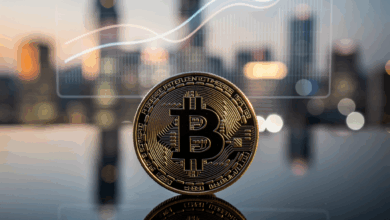
Last year I bought a gold coin and, for a split second, I paused amid the gleam to wonder where that gold began its journey—from ore to refinery to mint. It wasn’t just about value; it was about responsibility. If a coin could tell its own story, what would it say about the people and places that touched it along the way? The moment stayed with me, because a tiny piece of metal carries a map of choices, standards, and trust.


The landscape you’re stepping into
Today’s market sits on a sprawling network of rules, audits, and disclosures. The most widely recognized guardrails include the LBMA Responsible Sourcing Programme for Good Delivery refiners, which is increasingly data-driven through the Gold Bar Integrity (GBI) platform. By late 2025, industry reports indicate that nearly all refiners had onboarded the system, with ongoing enhancements to how origin data flows through supply chains. Soon, refiners will publicly disclose high‑risk supplier data and mined-material origins, aligning with broader EU-aligned frameworks and more rigorous due diligence (LBMA Sustainability and Responsible Sourcing Report 2025).
The other cornerstone standards—the Responsible Jewellery Council’s Code of Practices and Chain of Custody, the OECD guidance, and World Gold Council advisories—shape mine-to-retail behavior and emphasize transparency, traceability, and human-rights considerations. More attention is turning toward artisanal and small-scale mining (ASM) pathways to bring more responsible gold into regulated chains, while several mints are moving toward circular inputs, including recycled gold from e‑waste streams. This is not distant theory: the Royal Mint, for example, has integrated recycled inputs into its supply chain and backs its offerings with LBMA-credible sourcing, highlighting a tangible shift toward sustainability.
At the same time, public debates continue about labeling and provenance, including questions over recycled or reprocessed inputs. In parallel, government and regulator scrutiny persists—the U.S. Mint, for example, has faced audits and inquiries into the transparency of gold sourcing, underscoring the real-world challenges of proving inputs meet strict standards.
Why this matters—what you gain from understanding provenance
If you’re looking to invest—or simply collect—with confidence, provenance is not a luxury; it’s a practical necessity. Knowing the origin story of the metal in a coin helps you assess risk, align with ethical priorities, and better communicate with dealers. This article offers a grounded way to approach purchases, with clear questions, a realistic understanding of the standards at play, and a practical checklist you can use with any dealer or mint.
- You’ll learn the key standards that shape ethical sourcing and who enforces them (LBMA, RJC, OECD, WGC) and how they translate into real-world due diligence.
- You’ll understand what data is likely to be disclosed in the coming years and how to interpret it.
- You’ll walk away with concrete steps to evaluate a coin’s input materials, including how to distinguish recycled, reprocessed, and newly mined inputs—and why the labels matter.
A practical compass for buyers 5 quick checks before you buy
1) Ask for provenance data: request the chain of custody from mine to mint and verify alignment with LBMA Responsible Sourcing or RJC Code of Practices.
2) Check for public-origin disclosures: look for information about high-risk suppliers, miners, and mined locations as platforms and guidance evolve (public data is moving toward transparency).
3) Inquire about inputs: are inputs recycled or sourced from circular streams (like e‑waste), or from newly mined material? How is this accounted for in the mint’s backing?
4) Look for credible sources and audits: prefer programs with independent audits and third-party assurance. Cross-check statements with published reports from LBMA, RJC, and WGC where available.
5) Consider the governance model: does the issuer demonstrate ongoing improvement, stakeholder engagement, and alignment with OECD guidance and anti-money-laundering expectations?
What this means for you as a reader and buyer
In practice, ethical sourcing is about asking the right questions and knowing where to look for credible answers. It’s about recognizing that provenance data, while becoming more accessible, still requires careful interpretation and cross-checking. As public disclosures expand, your role as a buyer shifts from passive consumption to active stewardship of the coins you own or invest in.
Reflection a lingering question for our growing market
If provenance data becomes as routine as a price quote, will your confidence follow suit, and how will that shape your choices as a buyer or investor? As you consider your next coin, what would you demand to see before you believe the story of its gold is truly complete?
If provenance wore a label, what would the gold in a coin whisper about? Last year I bought a gold coin and, for a fleeting moment, I found myself pausing not at its shine but at its origin. Where did that gold begin its journey—from ore to refinery to mint? It wasn’t only about value; it was about responsibility. A tiny piece of metal carrying a map of choices, standards, and trust. If a coin could tell its own story, what would it say about the people and places that touched it along the way?
From ore to coin what travels with the metal
We live in a market that pretends to be transparent while juggling many moving parts. The strongest guardrails in the precious metals world come from established bodies that set expectations for responsible sourcing and traceability. The London Bullion Market Association (LBMA) runs a Responsible Sourcing Programme for Good Delivery refiners, and it’s increasingly data-driven through platforms like the Gold Bar Integrity (GBI). By late 2025, industry chatter suggested most refiners had joined the system, with ongoing refinements to how origin data flows through the supply chain. A coming shift will require refiners to publicly disclose high‑risk supplier data and mined-material origins, along with information about miners and mines from which material is sourced. The trend is toward making provenance more accessible, even if some highly sensitive details remain restricted for now.
Beyond LBMA, the Responsible Jewellery Council (RJC) Code of Practices and its Chain of Custody, OECD due diligence guidance, and World Gold Council advisories shape mine-to-retail behavior. They press for transparency, robust risk assessments, and a human-rights-aware approach to supply chains. A note of caution: as provenance data becomes more public, labeling and interpretation will matter. Some critics argue that terms like “recycled” can be slippery or misleading unless defined clearly—an important nuance for buyers who want a clean, trustable story.
The market is also encouraging pathways for artisanal and small-scale mining (ASM). If responsibly organized, ASM can feed legitimate supply into regulated Good Delivery chains, reducing the lure of illicit trade while supporting miners’ livelihoods. The practical work is to build formal routes for ASM gold to reach responsible markets, with credible traceability and independent assurance.
Some big-moment shifts are happening in minting itself. A growing number of sovereign and national mints are stitching sustainability into their programs. The Royal Mint in the UK, for example, is pursuing circular input streams by recovering gold from electronic waste through a dedicated facility. The recovered gold is used in coins and jewelry, showcasing how environmental credentials can be integrated into the core of coin production. Meanwhile, the Royal Mint’s gold backing increasingly features recycled gold alongside LBMA-credible inputs in what’s called responsibly sourced backing. And in Canada, the Royal Canadian Mint highlights governance structures and responsible sourcing in line with LBMA Good Delivery expectations.
Why this matters—and what you gain from provenance
If you’re investing or collecting with a sense of ethics, provenance isn’t a luxury; it’s a practical tool. Knowing the origin story of the metal in a coin helps you assess risk, align with your values, and communicate with dealers with greater confidence. Here’s what this translates to in real life:
- You’ll understand the key standards at play—LBMA, RJC, OECD, and WGC—and how they translate into on-the-ground due diligence.
- You’ll gain a practical sense of what data is likely to be disclosed in coming years and how to interpret it when you read a mint’s disclosures.
- You’ll learn to distinguish input sources—whether gold is recycled, reprocessed, or newly mined—and why the labels matter for governance and ethics.
A practical compass for buyers 5 quick checks before you buy
1) Provenance data request: Ask for a chain-of-custody narrative from mine to mint and check alignment with LBMA Responsible Sourcing or the RJC Code of Practices. If the mint can point you to independent audits or public reports, that’s a good sign.
2) Public-origin disclosures: Look for information about high‑risk suppliers, miners, and mined locations as platforms mature. Public data is becoming a standard, even if some details are still restricted.
3) Inputs and inputs accounting: Inquire whether inputs are recycled or sourced from circular streams (like e-waste) and how this is reflected in the coin’s backing. Ask to see the accounting method used to allocate materials to specific products.
4) Independent verification: Favor programs with external audits or third-party assurance. Cross-check statements against LBMA, RJC, and WGC publications where available.
5) Governance and continuous improvement: Does the issuer demonstrate ongoing engagement, stakeholder input, and alignment with OECD guidance and anti‑money-laundering expectations?
Case notes real-world moves that shape your choices
- Royal Mint’s e-waste gold recovery facility illustrates a tangible shift toward circular inputs. The green chemistry approach used in recovering gold from circuit boards demonstrates a path to lower-emission input streams, with the recovered material backing coins and other products.
- The Royal Mint’s Responsibly Sourced Physical Gold framework shows a growing use of recycled inputs in its backing assets, reinforcing the value of trusted, traceable supply chains.
- The Royal Canadian Mint emphasizes governance and responsible sourcing in its public reporting, highlighting how a government mint can model auditable, systematic approaches to input materials and supplier oversight.
- Public debates continue around labeling: while some argue for stricter clarity around terms like “recycled,” the trend toward transparency remains strong, supported by OECD-aligned due diligence and industry standards.
- The U.S. Mint has faced oversight questions about whether most coins are minted from newly mined gold. This case underlines a practical challenge: even in mature markets, proving input provenance can be complex and evolving.
What this means for you as a reader and buyer
Provenance data are becoming a practical part of how you evaluate coins. The goal isn’t to paralyze decision-making with data dumps, but to empower you to ask sharper questions and seek credible answers. As disclosures expand, your role shifts from a passive recipient of shiny products to an active steward of the coins you own or invest in.
- Expect clearer signals about the standards that matter and the bodies that enforce them (LBMA, RJC, OECD, WGC).
- Look for consistent, independent verification and public disclosures that align with EU-aligned frameworks and risk-based approaches.
- Be prepared to differentiate between recycled/reprocessed and newly mined inputs, and to weigh how each aligns with your ethics and risk appetite.
Reflection a lingering question for our growing market
If provenance data become as routine as a price quote, will your confidence follow? How will you adjust your purchasing decisions when you can’t trust a label on faith alone, but require verifiable data? When you next consider a coin, what would you want to see to believe the full story of its gold?
Try this directly now actionable steps you can take today
- Gather a short “ethics checklist” to bring to any dealer: provenance narrative, audit reports, and public disclosures.
- Build a simple comparison sheet for two or three coins you’re considering, with sections for input sources, disclosure status, and governance measures.
- Contact the mint or dealer for specifics on input materials, especially whether recycled or circular inputs are used and how they’re accounted for in the backing.
- Read LBMA, RJC, and WGC materials for your own reference, and compare their guidelines to what the issuer provides.
- Track a few upcoming disclosures: look for the LBMA GBI data flow updates and any announced timelines for public reporting of refiner and supplier data.
Closing thought looping back to the question that started this journey
As provenance data become more accessible, will the coins you collect carry not only value but also a story you can trust? And what story will you demand to see next time you buy—with your values and your investments aligned, with confidence?

That glint of gold has a way of making me pause, not just at its price but at its origin—the quiet stories of ore, refineries, and makers that travel with a coin. This conclusion isn’t a single answer, but a shared checkpoint on a path toward smarter, more principled choices. Provenance isn’t a luxury; it’s a practical skill that reshapes how we assess risk, align values, and talk with dealers.
Key takeaways and new perspectives
Provenance data are moving from optional add-ons to standard expectations. In the near future, transparent origin data will be as routine as a price quote, transforming how we evaluate coins from “what is this worth?” to “what is this truly made of and why does that matter?” This shift isn’t just about labels; it’s about credible verification, independent audits, and governance that really sticks. A broader view emerges: as ASM pathways, recycled inputs, and circular supply chains gain traction, ethical sourcing becomes a market signal that can influence liquidity, branding, and long-term trust. In short, provenance data become a practical tool you can use to manage risk, align with values, and communicate with confidence.
Action Plans
- Build a concise ethics checklist to bring to every encounter with a dealer: ask for a chain-of-custody narrative and any available audit reports.
- Demand public-origin disclosures where possible and compare them against LBMA, RJC, OECD, and WGC guidance.
- Inquire about inputs: are any materials recycled or sourced from circular streams, and how is this reflected in the backing?
- Seek independent verification: favor coins and issuers with third-party assurance and robust governance frameworks.
- Track evolving disclosures: stay updated on LBMA GBI data-flow timelines and new public reporting from mints and refiners.
Closing message
Ethical sourcing is not a destination but a discipline we practice together. As provenance becomes more legible, our role as buyers, collectors, and investors evolves from passive appreciation to active stewardship. The coins in your care can carry stories you can trust, but only if you ask the right questions and seek credible answers.
If this perspective resonates, try turning it into action today: prepare your ethics checklist, compare two coins or mints with an eye toward input materials and governance, and reach out for a few key disclosures. The more we demand transparency, the more trustworthy the market becomes—and the more confident we can be in our choices.
What will you demand next time you buy? And how will your questions shape the stories that coins tell in the years to come? If provenance data become as routine as a price quote, will your confidence follow, and what will that mean for your future purchases?