Strong Hook (Question/Shocking Fact/Experience)
What if your next mortgage could reward you for upgrading energy efficiency? Imagine starting a loan that lowers your monthly costs because the house itself is designed to sip energy rather than gulp it. Is that possibility merely a dream, or a practical path within reach for everyday homeowners and buyers?


What if the savings aren’t just future promises but tangible steps you can take right now? Consider this: reducing energy waste isn’t only good for the planet—it can tilt the financing in your favor, potentially lowering risks for lenders and reducing your long-term payments for you. But how do you actually make that happen in the real world?
Problem/Situation Presentation
Rising energy bills and aging infrastructure often collide with the realities of shopping for a home or financing upgrades. Traditional mortgages typically focus on purchase price and projected monthly payments, not the energy-performance of a home. That gap leaves many buyers feeling unsure about how to fund insulation upgrades, efficient heating and cooling systems, or solar installations, without sacrificing loan terms or liquidity.
Lenders, meanwhile, face questions about how to quantify energy savings, what counts as credible improvements, and how to assess risk when a home’s energy performance becomes part of the collateral. This confusion can translate into longer processes, higher hurdles, or missed opportunities for both sides. Yet the market is beginning to respond with products that explicitly recognize energy efficiency as part of the mortgage equation.
Value of This Article
This guide offers a practical, reader-friendly path to understanding green mortgage options for energy-efficient homes. You’ll learn about the main types of green financing, what lenders look for, and the steps to prepare your finances and property so you’re positioned to qualify. Expect a clear, step-by-step preview rather than abstractions—designed to empower homebuyers, homeowners, lenders, and financial advisors with actionable insights.
We’ll touch on the key considerations you’ll face, such as how energy upgrades are priced into a loan, what documentation helps your case, and how to evaluate trade-offs between upfront costs and long-term savings. Real-world sensibilities—feasibility, timelines, and practical barriers—will guide the discussion, along with a candid note on where the process tends to stall and how to avoid common pitfalls.
So, what would it take to align your next mortgage with the energy performance you’re seeking? The answer isn’t a single trick, but a coherent plan you can start applying today. If you’ve ever wondered whether sustainability and affordability can coexist in financing, you’re about to explore the tangible paths that do just that.
What’s your first move—talk to a lender about green options, or map your energy upgrades and their potential impact on your loan terms?
Should your next mortgage reward energy efficiency?
I remember walking through a small, drafty bungalow in December, counting the inches of cold that crept under the doorframe and the steady hum of an old furnace trying to keep up. The more I listened to the house, the more I wondered about a different kind of conversation between homes and money: what if the loan we used to buy a house also respected the energy it would use? Not as a gimmick, but as a real lever to cut costs and carbon at the same time. If a house is designed to sip energy rather than gulp it, should the financing recognize that distinction?
This is not a polished blueprint or a marketing pitch. It’s a conversation I want us to have together about practical, real world options that already exist for buyers and homeowners who want to invest in efficiency without sacrificing liquidity or terms. Let’s explore what green mortgage options for energy efficient homes look like in everyday life, and how you can position yourself to qualify.
Why energy efficiency can change the financing conversation
Energy performance matters for more than comfort. It affects operating costs, resilience against price fluctuations, and even the long term value of a property. When lenders see a home that wastes less energy, they also see lower risk: steadier cash flow for you and a more predictable investment for them. So what changes in the loan conversation when energy efficiency is part of the value proposition? We’ll start with the practical financial tools that lenders actually recognize today.
- Energy focused loan programs exist at the national level and are offered through participating lenders. These options allow you to finance energy upgrades or to finance purchases with energy efficient features without draining you at closing or in the first years of ownership.
- The upgrades themselves can be insulation improvements, high efficiency heating and cooling systems, better windows, air sealing, heat pumps, induction cooking, solar panels, smart thermostats, and more. The right mix depends on the climate, the home’s condition, and your goals for comfort and bills.
- Getting the right energy documentation up front helps the lender see the value. An energy assessment or Home Energy Rating System (HERS) score is the common language that translates physical improvements into loan terms.
Green mortgage options you’ll likely encounter
Here are the main avenues that buyers and homeowners actually use. The names may vary by lender, but the core idea is to tie energy performance to borrowing terms rather than treating upgrades as separate, after the fact costs.
FHA Energy Efficient Mortgage (EEM)
- What it does: Allows you to finance energy efficient improvements as part of the purchase or refinance, rolling the up-front upgrade costs into the loan amount.
- Why it helps: The expectation is that energy improvements will reduce ongoing heating and cooling costs, which can improve debt service coverage and overall affordability.
- What to know: You’ll typically need an energy audit or a HERS rating to quantify potential savings, and the lender must approve the improvements and the appraisal includes the new efficiency features.
Fannie Mae HomeStyle Energy Mortgage (or HomeStyle Energy Efficient Add-ons)
- What it does: Lets buyers finance energy efficient upgrades or a more energy-efficient home as part of the conventional loan, adding the costs to the mortgage.
- Why it helps: It can cover a broader range of improvements and is often used when purchasing an existing home that needs upgrades, or when you want to keep a single loan rather than separate financing.
- What to know: An energy assessment and improved appraisal are typically required; the program aligns with long term energy savings and home value impacts.
PACE and other local energy funding arrangements
- What it does: Property Assessed Clean Energy (PACE) financing and similar programs let homeowners fund energy upgrades with loan amounts repaid via property taxes or local assessments.
- Why it helps: Upfront costs are reduced and improvements are prioritized because the financing is attached to the property rather than the individual borrower.
- What to know: PACE is not available everywhere and can interact with conventional lending in unusual ways (lien priority, lien payoff on sale, etc.). Check eligibility by state and even by city. Always coordinate with your mortgage lender to understand how PACE will affect underwriting.
Standalone energy upgrade financing and solar loans
- What it does: Separate loans for upgrades or solar projects can be used in conjunction with a mortgage, or sometimes funded as part of a refinance.
- Why it helps: If your goal is a specific retrofit or a solar installation and the lender doesn’t offer a bundled option, dedicated energy retrofit loans can still be used in parallel with home financing.
- What to know: Costs, interest rates, and terms vary by product and provider; ensure you understand how taxes, incentives, and potential loan payoffs interact with your primary mortgage.
What lenders look for and how to prepare
To make energy efficiency part of the loan equation, you’ll want a clear, credible picture of how upgrades translate into savings and value. Here are the key pieces lenders typically request:
- A professional energy assessment or HERS rating that projects post upgrade energy use and potential savings. This is the language that turns a gut feeling into numbers the underwriter can weigh.
- Contractor bids or quotes for the planned improvements, showing costs, timelines, and expected performance.
- A realistic plan for maintenance and longevity of the improvements, to demonstrate continuing value for the life of the loan.
- An appraisal that recognizes the energy upgrades and any resulting effect on property value or marketability. Appraisers may compare your home to similar homes with higher energy performance.
- An understanding of local programs and how their incentives or tax credits fit into the overall deal.
When the documentation is clear and credible, the idea of a mortgage that rewards efficiency becomes not only possible but practical. You’re not asking for a handout; you’re aligning risk, reward, and cash flow in a way that a green home actually supports.
How to qualify in a practical, step by step way
If you’re ready to test the waters, here is a concrete path you can start today. It’s designed to be actionable for homebuyers and current homeowners, while also giving lenders a transparent view of energy performance.
1) Start with an energy assessment or HERS rating. Schedule an audit early and use the results to decide which upgrades will deliver the best payback in your climate. This step often guides which green mortgage option makes the most sense.
2) Gather bids for the chosen upgrades. Get multiple quotes to understand costs, timelines, and the range of performance improvements. Higher efficiency upgrades may require more upfront planning but offer larger long term savings.
3) Talk to lenders about green financing options. Ask specifically about FHA EEM, HomeStyle Energy, and any local or lender specific energy loan products. Bring your energy assessment, quotes, and a rough budget for upgrades.
4) Compare offers not just on rate and payment, but on the total cost of ownership. A lower monthly payment today could be balanced by higher total interest or longer terms; the energy savings over time should be part of the calculation.
5) Prepare for the appraisal with energy features in mind. Highlight upgrades and how they affect value. If you’re buying, consider how the home’s future energy costs will look relative to similar homes.
6) Plan for closing costs and incentives. Some programs offer credits or rebates that offset part of the loan costs. Include these in your financial model so you’re not surprised later.
This approach makes the process feel less theoretical and more like a practical game plan you can implement in the next 60 to 120 days.
A real world glimpse: a simple case study
Take the story of a couple who bought a modest single-family home in a cooler climate. They pursued a HomeStyle Energy option to fund insulation upgrades, a high efficiency heat pump, and solar-ready improvements. The energy audit showed a potential double-digit reduction in annual heating costs. By folding the upgrade costs into their mortgage, they preserved liquidity for furniture and other moves while setting up a long term savings path. The appraisal recognized the energy improvements, which helped sustain a loan amount that still felt affordable once monthly energy bills were factored in. The outcome wasn’t a miracle; it was a thoughtfully designed plan where the house, the loan, and the future bills all spoke the same language: efficiency saves money over time, and the loan can reflect that truth.
There isn’t a single recipe that fits everyone, but the pattern is clear. When you can point to credible energy metrics and attach them to the loan, you’ll often find more favorable terms than you might expect. The key is the credible bridge between energy performance and borrower risk.
Considerations, caveats, and things to watch for
- Local availability matters. Green financing options are widely discussed, but not all products are offered everywhere. Start with your state and city’s programs, and then talk to lenders about what is actually supported in your market.
- Appraisals matter. Even when a loan program is designed for energy efficiency, the appraisal process must see the value. Be prepared to explain how upgrades translate into real-world savings and comfort.
- Upfront costs and incentives vary. Some programs require energy audits, inspections, or certain equipment types. Incentives, tax credits, or utility rebates can improve the economics but require careful coordination.
- It is not only about the price of money. The overall cost of ownership matters—how much you save on energy, how upgrades affect maintenance, and how long you plan to stay in the home.
- Timing can be important. Upgrades that require seasonal installation windows or permits may affect your closing timeline. Build a realistic project schedule into your loan plan.
A practical, reader-friendly path forward
- Start with a conversation with a lender who has experience with green financing. Ask about FHA EEM and HomeStyle Energy, and whether they also offer local energy loan options. If they don’t have a ready answer, that itself is information about how up-to-date the lender’s practice is.
- Get the energy assessment or HERS rating done early. It becomes the backbone for decisions about upgrades and the type of mortgage you pursue.
- Gather diverse bids and clearly map costs to energy savings. This is your financial narrative — a story you can share with underwriters to show not just the price tag, but the value.
- Build a simple, honest budget that includes upgrade costs, potential rebates or credits, and energy savings in year one and year two. The goal is a sustainable balance of cash flow and comfort.
- Revisit the plan after the appraisal. If the appraiser’s assessment differs from your expectations, talk to your lender. There may be adjustments to the plan that still keep you on track toward a more efficient home.
What would it take for your next mortgage to reflect the energy performance you want? Instead of seeing energy upgrades as a separate burden, imagine them as part of a holistic, prudent plan that makes your home cheaper to run and more valuable over time. It’s not magic; it’s alignment between what the house does and how it’s financed.
Your next move a simple starting question
Are you ready to talk with a lender about green mortgage options, or do you want to first map your energy upgrades and estimate their impact on your loan terms? Either way, the path to an energy efficient home is about having credible data, a clear plan, and a mortgage that recognizes the value you’re building into the house itself.
If you’d like, I can tailor this discussion to your local market and walk you through a sample comparison of a FHA EEM vs HomeStyle Energy scenario, including a rough cost-benefit timeline that you can adapt to your finances and goals. After all, a well-structured plan today could become the right home tomorrow.
Key Summary and Implications
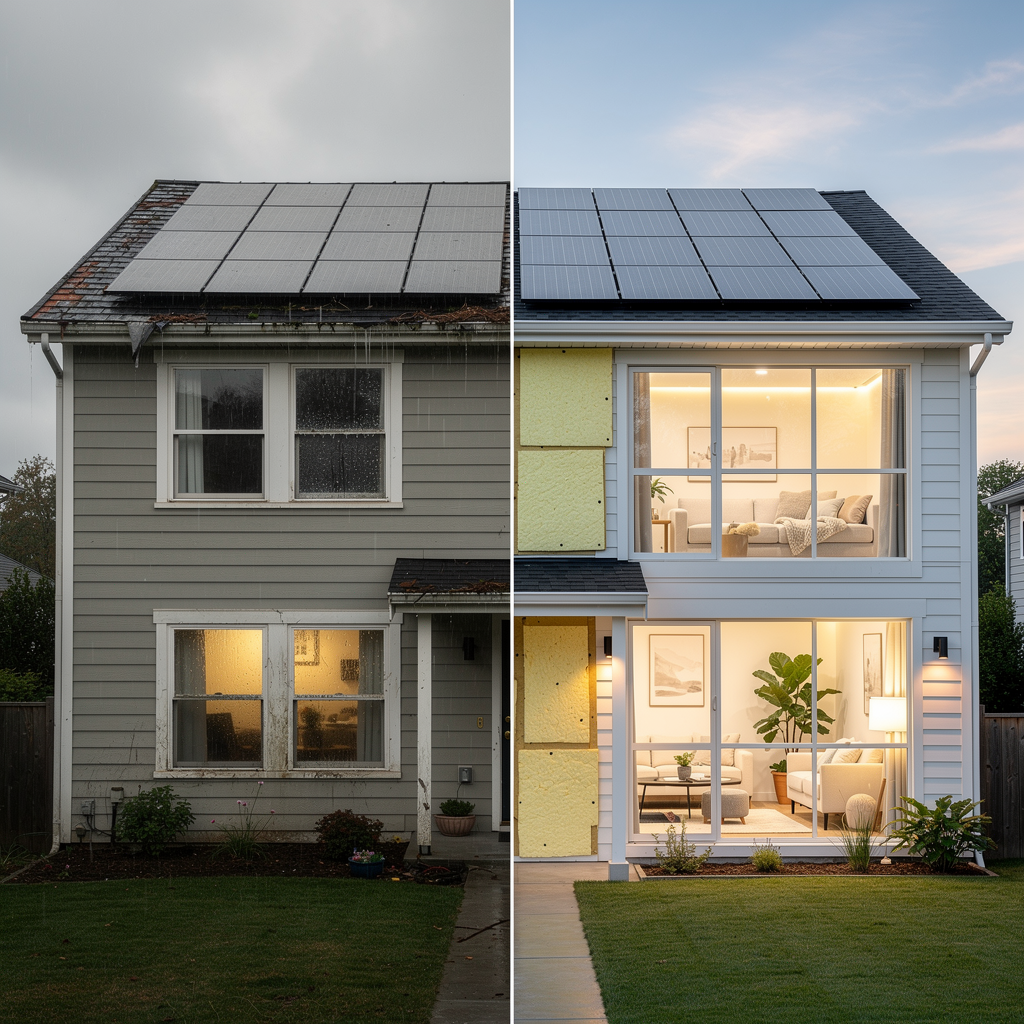
This guide has shown that energy performance isn’t a separate upgrade—it can become a core driver of your loan terms. When a home is designed to sip energy rather than gulp it, lenders gain a clearer picture of risk and cash flow, and buyers gain meaningful, trackable savings. The broader implication is that energy efficiency could increasingly become a financial asset on a property’s balance sheet, influencing appraisal standards, lender practices, and the kinds of homes that communities prize. In other words, the more credible the energy story, the more favorable the financing landscape becomes. A deeper takeaway: sustainability is not merely about bills saved today, but about shaping affordable, resilient ownership for years to come.
Across this landscape, a new perspective emerges—upgrading the house and aligning the loan with its performance is a single, coherent plan, not a sequence of separate decisions. That alignment can reduce risk for lenders, improve household liquidity, and make the economics of a comfortable home more transparent and livable in the long run.
Action Plans
- Start with an energy assessment or HERS rating now. Let the results guide which upgrades deliver the strongest payback in your climate.
- Gather multiple contractor bids for the chosen improvements. Create a clear, itemized plan that links each upgrade to projected energy savings.
- Initiate conversations with lenders about green financing options (FHA Energy Efficient Mortgage, HomeStyle Energy, and any local programs). Bring the energy assessment, upgrade quotes, and a realistic budget to the discussion.
- Compare offers by total cost of ownership, not just monthly payment. Factor in energy savings, incentives, and potential changes to tax credits or rebates.
- Prepare the appraisal so it recognizes the upgrades. Highlight how improvements affect operating costs, comfort, and market value, and be ready to share supporting documentation.
- Plan for timelines and incentives. Understand permit requirements, installation windows, and any utility or government rebates that can offset costs.
This practical path helps you move from intent to action within the next 60 to 120 days, turning the energy narrative into tangible loan terms.
Closing Message
If you’ve ever wondered whether sustainability and affordability can coexist in financing, the answer is becoming clearer: they can, and they already are for many buyers and homeowners who treat energy performance as part of the loan equation. Small, deliberate steps today—an assessment, a budget, a lender conversation—can compound into a home that costs less to run and holds more value over time.
What would your home become if its energy performance was part of its financial story?
Now it’s time to try it yourself. Start with a lender conversation about green options, or map your upgrades and estimate their impact on loan terms. Either way, you’re taking the first move toward a more efficient, more affordable future. If you’d like, I can tailor this discussion to your local market and walk you through a sample comparison of FHA EEM vs. HomeStyle Energy, including a rough cost-benefit timeline you can adapt to your finances and goals. Remember: a well-structured plan today could become the right home tomorrow.