Should Your Credit Card Be a Living NFT? NFT-Based Rewards on Crypto Cards – Tokenizing Perks and Benefits

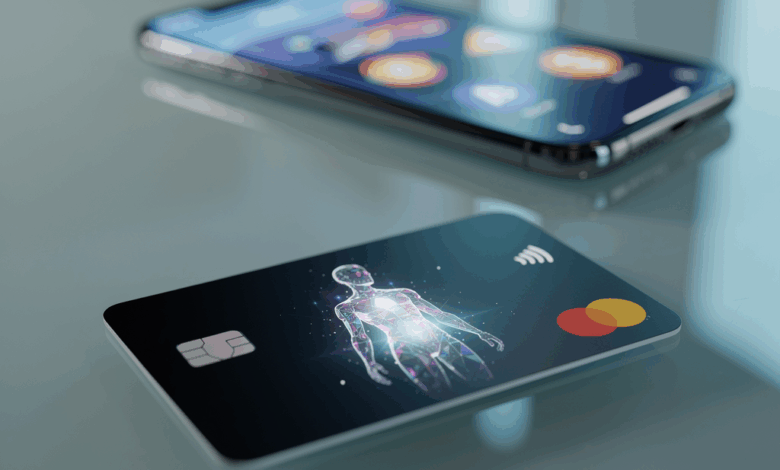
Yesterday, I watched a cardholder flick open a debit card and, on the screen, a tiny NFT avatar breathed to life. It wasn’t just a design; it felt like a badge of identity, a digital companion that could actually unlock perks beyond points. The moment wasn’t flashy in a fireworks kind of way, but it asked a simple question: what if your card could wear your digital self and, in doing so, grant you a little more agency over the perks you care about?
This is not a trick of marketing copy. NFT-based rewards on crypto cards are quietly rewriting the grammar of loyalty. Two clear paths are taking shape: first, card-front NFT customization—where the NFT sits on the surface of the card, visible in the real world and the digital wallet; second, NFT-gated or dynamic loyalty experiences—where ownership or ongoing activity evolves the perks themselves. The first path makes the card a unique, ownable token in your daily life; the second turns loyalty into a living ecosystem that grows with you.


A living identity on the card
The concept of a card that wears an NFT avatar was crystallized by the hi project, a Mastercard-backed initiative that launched the world’s first NFT-customizable card. In 2022, users could display avatar NFTs on the card face; by 2025, the ecosystem had expanded to include a Polygon-based minting and on-card display pathway accessed through the hi app. In short, your card could become a portable, ownable piece of your digital self that travels with you through transactions and experiences. This isn’t just about aesthetics; it’s a form of verifiable identity that’s usable in real-world contexts and in wallet-to-wallet interactions. (Mastercard press materials and hi announcements from 2022–2025)
Two paths to tokenized perks
1) Card-front NFT customization: you pick or mint an NFT that appears on the card itself, creating a tangible link between your digital collection and your daily payments. This is where the loyalty contract begins—perks are attached to a visual identity you physically carry. The practical appeal is immediate: a unique card that signals a community or a creator affiliation, a talking point with merchants, and a potential for personalized experiences tied to that NFT.
2) NFT-gated or dynamic loyalty experiences: ownership isn’t just about what’s printed on the card; it’s about what you can unlock. Lacoste’s UNDW3 ecosystem offers a vivid example: NFT «the Mission» quests convert participant activity into points that upgrade NFT rarity, unlocking ongoing perks, co-creation opportunities, and exclusive experiences. It’s a living loyalty program—one that changes as you engage, bridging digital and physical spaces through shopping, events, and immersive environments. This is less about a static token and more about a gateway to evolving access. (Lacoste UNDW3 coverage and related demonstrations of mission-driven upgrades)
From skin-deep to soul-deep: broader brand experiments
Luxury houses like Gucci have continued exploring phygital loyalty—blending NFTs with exclusive physical items or experiences to strengthen brand affinity rather than merely offering discounts. The larger trend points toward token-gated access, dynamic upgrades, and cross-brand communities that feel more like memberships than static rewards. Mastercard’s broader NFT initiatives also reflect a strategic push into artist and fan experiences, signaling a future where perks are tied to identity, participation, and collaborative creation rather than sole purchases. (Vogue, Decrypt, Mastercard communications)
Cautionary tales from the field
Starbucks Odyssey represented a bold mass-market NFT loyalty pilot, rewarding digital stamps and experiences but ultimately closing its Odyssey Beta as Starbucks re-evaluated its Web3 strategy. The takeaway isn’t “don’t do it” but “design with attention to longevity, governance, and the balance of hype with durable value.” NFTs in loyalty can scale, but only when communities and brands align on meaningful, repeatable experiences rather than one-off drops. (The Block report on Odyssey Beta; broader industry analyses)
What this means for readers and brands
The practical map for 2025–2026 centers on three ideas:
– Token-gated access and dynamic upgrades beat static perks. Perks should evolve with engagement and context, not just with purchases.
– Card-Front NFTs and living loyalty are two sides of the same coin. A visually distinctive card can spark identity, while a robust ecosystem sustains ongoing motivation.
– Caution and clarity matter. Audiences crave authenticity, governance, and predictable experiences; hype without substance risks backlash.
If you’re writing about this or considering a rollout, here are ways to cover or structure your thinking: profile hi’s NFT card and its Polygon pathway; dig into Lacoste’s ongoing UNDW3 ecosystem and its “Mission” mechanics; compare Starbucks Odyssey’s lifecycle with Gucci and Vogue coverage of phygital loyalty; and frame loyalty as a living membership rather than a one-off perk. In doing so, you’ll show readers how this technology translates into real-world value—without losing sight of the human element that makes any loyalty program meaningful. (Sources and real-case references: Mastercard press materials, Lacoste UNDW3 discussions, Vogue coverage, Decrypt reporting, and The Block/industry analyses)
A practical note to fellow explorers
If you’re evaluating NFT-based rewards for a digital wallet, a fintech product, or a brand loyalty program, start by distinguishing the two core patterns and then ask: which one aligns with your audience’s values and your brand’s governance model? Will the value come from a visible identity on the card, or from a dynamic series of experiences that escalate as users stay engaged? And crucially, how will you ensure the ecosystem remains inclusive, transparent, and durable beyond a single launch window?
What do you think would make NFT-based loyalty feel truly valuable over time—visibility on a card, evolving access, or something else entirely? Wouldn’t it be interesting to see a cross-brand, interoperable “smart membership” that travels with you across wallets and merchants, adapting to your life as it changes?
Should your card wear your digital self? NFT-based rewards and the evolving loyalty frontier
I remember the moment I first swiped a card and caught sight of a tiny NFT avatar flickering to life on the screen. It wasn’t a boastful gimmick; it felt like a badge of identity that could travel with me beyond a single transaction. That ordinary moment asked a simple question: what if a card could wear your digital self and, in doing so, unlock perks that actually matter? This is the quiet revolution of NFT-based rewards on crypto cards—the idea that loyalty can be a living, shareable, and verifiable identity rather than a static points tally.
Two paths where tokenized perks are taking shape
There are basically two patterns you’re likely to encounter today, and they’re not mutually exclusive. They also tell a larger story about how brands imagine value in a world where ownership and participation are traceable on the blockchain.
1) Card-front NFT customization a visible identity on the move
- What it is: An NFT sits on the card surface, turning the card itself into a portable expression of your digital self. The first landmark in this space was Mastercard-backed initiatives that let eligible cardholders display NFT avatars on the card face. By 2025, the ecosystem expanded to allow minting Polygon NFTs and displaying them in the hi app—melding physical card presence with on-chain ownership.
- Why it matters: This isn’t about vanity; it creates a tangible bridge between your wallet and your daily payments. A card that visibly carries an NFT can become a talking point with merchants, a signal of belonging to a creator or community, and a gateway to personalized experiences that reflect your identity.
- Real-world flavor: The hi project demonstrates how a card becomes a portable badge that travels with you, while maintaining a verifiable link to your digital collection.
2) NFT-gated or dynamic loyalty experiences: perks that grow with you
- What it is: Ownership or ongoing activity unlocks evolving perks, not just a one-off discount. Lacoste’s UNDW3 ecosystem is a prime example: the Mission quests translate user actions into points that upgrade NFT rarity and unlock ongoing perks, exclusive experiences, and even co-creation opportunities. It’s loyalty as a living ecosystem—where participation matters as much as possession.
- Why it matters: A dynamic loyalty model rewards behavior over time and links online engagement with real-world access—think NFT-gated shopping, immersive events, or exclusive digital-physical spaces.
- Real-world flavor: The UNDW3 setup shows how luxury and fashion brands are reimagining loyalty as an ongoing relationship rather than a one-time drop.
From skin-deep glitter to soul-deep value phygital and living ecosystems
Luxury brands are especially vocal about this shift. Gucci’s explorations of phygital loyalty pair NFTs with physical pieces or exclusive experiences, expanding the idea of what loyalty can be. It’s less about a discount and more about an ongoing invitation to participate in a brand’s evolving story. Mastercard’s broader NFT initiatives also point toward fan- and artist-focused experiences—token-gated access to events, exclusive content, and tools for creators. The throughline is clear: tokenized perks can become a community-driven, transferable, and verifiable form of membership.
As a result, the market is coalescing around three ideas: dynamic, upgradeable access; interwoven digital-physical experiences; and governance-like participation that lets communities shape the rewards themselves. It’s less a single feature and more an architecture for ongoing belonging.
Cautionary note from the field Starbucks Odyssey as a guidepost
Starbucks Odyssey was a high-profile experiment that attracted enormous attention. It showcased the potential for NFT-based loyalty to scale, but its beta wound down as the company re-evaluated strategy. The lesson isn’t that NFT loyalty is doomed; it’s that durable value requires governance, repeatable experiences, and alignment with audience expectations. In other words, hype can power a pilot, but lasting loyalty needs meaningful, navigable value that endures beyond a launch window.
This context helps brands and writers alike: what matters is designing for longevity, clarity, and community, not a one-off drop that looks impressive in a press release.
What this means for readers, brands, and writers
- NFT-Based Rewards on Crypto Cards: Tokenizing Perks and Benefits are moving loyalty from points to identity and experience. You’ll see more cards that let you display a digital identity and more programs that grant evolving access based on activity, not just purchases.
- Token-gated access and dynamic upgrades beat static perks. Perks should grow with your engagement and context, not stay fixed.
- Card-front NFTs and living loyalty are two sides of the same coin: a visible identity on the card can spark belonging, while a living ecosystem sustains motivation over time.
- Design matters. Audiences crave authenticity, governance, and predictable value. Hype can attract attention, but durable loyalty hinges on meaningful experiences that users can count on season after season.
If you’re covering NFT-based rewards or considering a rollout, here are guiding angles to explore: profile hi’s NFT card and its Polygon pathway; dive into Lacoste’s UNDW3 ecosystem and its Mission mechanics; compare Starbucks Odyssey with Gucci’s phygital ambitions; and frame loyalty as a living membership rather than a single perk.
A practical frame for writers and brands how to cover or build this storytelling now
- Start from a real-world case: how a cardfront NFT appears in daily life; how a wallet-to-card interaction feels; what merchants see.
- Distinguish clearly between two patterns: (a) card-front NFT as identity, and (b) NFT-gated dynamic loyalty that evolves with engagement.
- Use concrete, evolving examples: hi + Mastercard for on-card display; Lacoste UNDW3 for mission-driven rarity upgrades; Mastercard’s artist/fan experiences for non-consumer loyalty cases.
- Keep a human lens: discuss how these systems impact everyday users, merchants, and creators. Show both enthusiasm and critical questions about long-term value and governance.
In that spirit, here’s how you can frame a piece today under the umbrella of NFT-based rewards on crypto cards:
– Profile hi’s NFT-card concept and its Polygon integration; explain how minting and on-card display work in practice.
– Analyze Lacoste UNDW3 as a model of living loyalty, focusing on the Mission mechanic and the ecosystem’s cross-channel experiences.
– Map a broader luxury and fintech view with Gucci and Mastercard activities to illustrate phygital and branded experiences.
– Use Starbucks Odyssey as a cautionary case to discuss governance, longevity, and audience expectations.
– Conclude with a forward-looking view: loyalty is becoming a living, portable membership—one that can travel across wallets, merchants, and brands if designed with trust and value in mind.
A practical note for explorers and makers
If you’re evaluating NFT-based rewards for a digital wallet, fintech product, or brand loyalty program, start with two core distinctions and then decide which aligns with your audience’s values and your governance model:
– Do you want a visible identity on the card, or a dynamic series of experiences that escalate with ongoing engagement? Or perhaps you want both.
– How will you ensure the ecosystem remains inclusive, transparent, and durable beyond a single launch window? Governance, interoperability, and user control matter as much as novelty.
What do you think would make NFT-based loyalty feel truly valuable over time—visibility on a card, evolving access, or something else entirely? And would you be interested in a cross-brand, interoperable “smart membership” that travels with you across wallets and merchants, adapting to your life as it changes?
If you’re up for a direct, practical start, here’s a quick blueprint you can Try Now:
- Step 1: Define your audience and the primary value you want to deliver (identity, access, or both).
- Step 2: Choose your pattern: card-front NFT for identity, or NFT-gated dynamic loyalty for evolving perks—or a hybrid approach.
- Step 3: Draft governance and interoperability basics. Decide how scarce the NFT is, who can mint, and how rewards upgrade over time.
- Step 4: Run a small pilot with a partner brand (if possible) and a clear measurement plan (engagement, retention, cross-channel usage).
- Step 5: Iterate fast. Use real user feedback to shape upgrades, new experiences, and any future cross-brand integrations.
A final reflection to leave with you: loyalty as a concept isn’t dying; it’s being rewritten as a living membership that travels with you, within a network of trusted partners, and anchored by tokens you actually own. The question isn’t whether NFT-based rewards will exist, but what kind of loyalty you want to help design—and how you’ll earn and sustain trust over time.
Would you rather your card display a badge of who you are, or unlock a world that grows with your life—and possibly a future where both travel together? And what would you add to make that world inclusive, transparent, and durable for years to come?
— References and real-world touchpoints you can explore further: Mastercard and hi’s NFT-customizable card initiatives; Lacoste UNDW3 ecosystem and Mission mechanics; Gucci and Vogue discussions on phygital loyalty; Mastercard’s artist/fan experiences; Starbucks Odyssey case analysis (The Block and related coverage). These pieces illustrate a spectrum from card-front identity to dynamic, living loyalty—and they provide concrete material to compare when you write or plan a rollout.
Key phrase to anchor your exploration: NFT-Based Rewards on Crypto Cards: Tokenizing Perks and Benefits. It’s a label that helps readers connect the technology to everyday value, without losing sight of the human moments that make loyalty feel real.
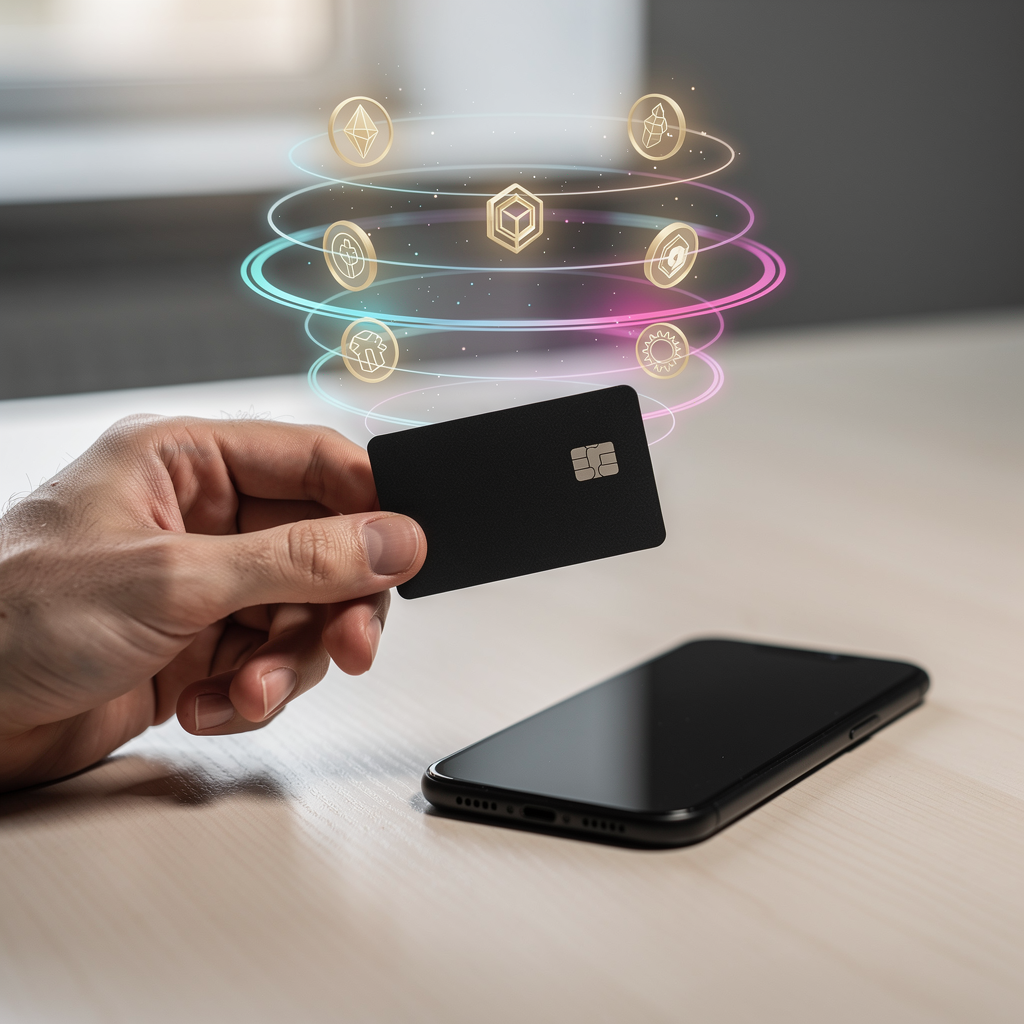
A moment I can still see: swiping my card, I caught a tiny NFT avatar waking up on the screen. Not a flashy stunt, but a quiet prompt that loyalty could wear a digital identity, traveling with me through every purchase and interaction. That image encapsulates a question worth lingering over: what if a card could wear my digital self and unlock perks that actually matter?
What this conclusion makes clear is that NFT-based rewards on crypto cards are not a single feature, but a design philosophy shifting loyalty from static perks to living identity and evolving experiences. There are two core patterns in play: one is a card-front NFT that becomes a tangible mark of who I am in the world (visible to merchants and to my wallet); the other is NFT-gated or dynamic loyalty, where ongoing activity and participation unlock upgrades, access, and co-creation. Together they sketch a future where loyalty is less about discounts and more about belonging that grows with you—and through you with brands.
A quick map of what matters right now
– Identity on the card plus evolving experiences are two sides of the same coin. A card that visibly carries an NFT can spark conversation, signal community belonging, and invite personalized interactions; a dynamic loyalty ecosystem turns participation into ongoing value. As examples evolve—from hi’s Polygon-based path to Lacoste UNDW3 mission-driven upgrades—brands are testing how to fuse daily life with lasting access.
– The real prize is durable value and governance. The Starbucks Odyssey experience teaches that pilots can scale, but longevity depends on clear governance, repeatable experiences, and a healthy balance between hype and real utility. In practice, this means designing with inclusivity, transparency, and interoperability at the core, not as afterthoughts.
– The benefit for readers, brands, and writers alike is a broader, more human view of loyalty. Tokenized perks can travel across wallets and merchants, creating a living membership that persists beyond a single launch. It’s not just about what you own, but how you participate—and how that participation yields meaningful access over time.
Action plans you can start applying today
– Define your audience and the core value you want to deliver. Are you emphasizing identity, access, or a hybrid of both? Write this down as your north star.
– Choose your pattern thoughtfully. If you’re testing the waters, start with one pattern (card-front identity or NFT-gated dynamic loyalty) and consider a hybrid approach only after you’ve learned from a pilot.
– Draft governance and interoperability basics. Decide who can mint or customize, how scarcity is managed, and how rewards upgrade over time. Think about cross-brand compatibility and wallet-to-card interactions from day one.
– Run a small pilot with a partner brand or a controlled group. Pair concrete metrics (engagement, retention, cross-channel usage) with a clear timeline and a feedback loop.
– Iterate quickly. Use real user feedback to refine the experiences, introduce new gates or perks, and test cross-brand scenarios to see what endures.
Closing reflections: the future of loyalty is a living membership
Loyalty isn’t dying; it’s being rewritten. The question isn’t whether NFT-based rewards will exist, but what kind of membership you want to help design—one defined by a visible badge, a living ladder of experiences, or a thoughtful blend of both. If we design with governance, inclusivity, and durable value at the center, we can create ecosystems that feel trustworthy, not merely spectacular.
What kind of loyalty would you want your card to embody—visible self-expression, evolving access, or a blend that travels with you across brands? And how would you ensure that this new loyalty remains fair, transparent, and relevant as lives and technologies change?
If you’re ready to start, here’s a compact invitation to act: profile your audience, pick a pattern, draft governance basics, run a pilot, and iterate. And as you do, keep asking: what makes the experience meaningful not just today, but next year and the year after? The healthier the foundation, the more the loyalty story will feel like belonging—not a one-off drop, but a shared journey.
References and real-world touchpoints for context can be explored in Mastercard and hi’s NFT-card initiatives, Lacoste UNDW3 ecosystems, Gucci’s phygital ambitions, and Starbucks Odyssey case analyses. The thread that unites them is clear: loyalty is becoming a portable, living membership that travels with you, anchored by ownership and governed by trust.
Key phrase to anchor your exploration: NFT-Based Rewards on Crypto Cards: Tokenizing Perks and Benefits. It links everyday value to the evolving human moments that make loyalty feel real.