Should CBDCs Change How You Pay? What Consumers Need to Know About CBDCs and Credit Cards

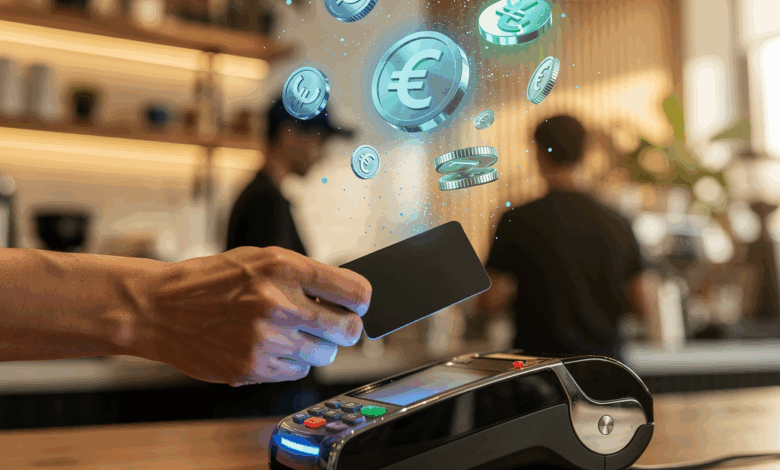
I was standing in line for my morning coffee when the cashier scanned my card and the reader paused for a split second, as if asking for permission from a different authority. Not the barista, not the cashier—it felt like the payment system itself was weighing a policy question before approving the tap. If that moment sounds strange, you’re not imagining it. Across the world, money is migrating from plastic and paper into digital forms that blend policy, technology, and daily life. The question isn’t only whether a digital dollar exists; it’s how the rules around money will ride along with your purchases, your data, and your rewards.
What’s happening, in plain terms, is that governments and banks are quietly rethinking how money moves. In the United States, a retail central-bank digital currency (CBDC) isn’t being issued from the federal level—an explicit stance that shapes what ordinary consumers will encounter in the near term. Yet the momentum around private digital money, cross-border rails, and card-network innovations is accelerating. In Europe, the digital euro is being designed with security, accessibility, and offline capability in mind, so that a future digital wallet feels familiar at the checkout and resilient in a crisis. Elsewhere, fast payments and digital-assets frameworks are maturing alongside traditional cards, with regulatory guardrails that push privacy, fraud protections, and consumer protections to the forefront. All of this means your everyday payments could be more digital, more interconnected, and more policy-laden than ever before.


Problem/Situation Presentation
The basic distinction you’ll hear is this: CBDCs are liability of a central bank, issued digitally; private-sector stablecoins are private money pegged to a currency; and traditional cards sit on a network of private rails that have their own rules about settlement, privacy, and rebates. Recent developments show both a clear direction and a patchwork of constraints:
- The White House’s 2025 executive order keeps retail CBDCs off the U.S. retail table for now, while signaling a broader, future work program on digital assets and governance. In practice, this means consumer wallets aren’t being rolled out by the federal government any time soon, but other digital-money tools will still touch everyday payments through private networks and regulated private money. (White House executive actions, 2025)
- Global central banks continue to prototype and deploy CBDC concepts, with the ECB pushing a digital euro designed for resilience and inclusion, including offline payments and region-wide accessibility. For shoppers, that hints at a future where a central-bank-backed digital euro could be as usable as your current card, but with different privacy and governance choices baked in. (ECB design notes, 2025)
- Canada’s real-time payments rails are strengthening, along with a view that future stablecoins used domestically would be backed by high-quality liquid assets. This signals a mature environment where digital assets coexist with fast, secure payments and strong safety nets for consumers. (Bank of Canada/Reuters coverage, 2025)
- Private networks are ready to blur lines between digital currency and everyday spending. Visa has piloted stablecoin payouts that fund accounts in fiat while delivering USD-backed stablecoins to recipients’ wallets, and Mastercard is testing platforms that could connect CBDCs and private tokenized deposits with existing rails. The aim is usability—one-click payments, fast settlement, and continuity with familiar wallets. (Visa/Mastercard notes and pilots, 2023–2025)
Taken together, these threads don’t scream “we’re replacing your card tomorrow.” Instead, they sketch a future where how money moves is shaped by policy goals (transparency, safety, cross-border mobility) as much as by product design. That means your privacy settings, your understanding of where your data travels, and how you’re rewarded for spending could all change in the space between now and a retail CBDC you might never notice—or might notice in more ways than you expect.
Value of This Article
Here’s what you’ll gain by staying with this conversation:
- A practical framework to evaluate how CBDCs, private digital money, and card payments might interact at your point of sale, online checkout, or ATM. You’ll learn what to ask your issuer, what to watch for in updates from regulators, and how to compare rewards and privacy across different payment rails.
- A concrete, step-by-step mindset to protect your privacy without sacrificing convenience. You’ll see why governance choices matter for everyday payments and how interoperability plans could affect your experience at the register.
- A trustworthy sense of what’s likely to change in the next 12–24 months, so you can decide what to adopt, what to monitor, and what questions to raise with your bank or card network.
From Wallets to Policy: How This Might Play Out at the Register
Two rails are shaping the near future of payments: existing card networks that continue to optimize speed and rewards, and centralized or semi-centralized digital money that comes with new governance and privacy rules. It’s not a single path; it’s a family of paths that could converge at the point of sale in surprising ways.
For consumers, the practical question isn’t merely “Is there a CBDC?” but “How will the rules around that money affect my day-to-day payments?” Card networks are already discussing tokenization, one-click checkout, and tighter integration with digital wallets. At the same time, central banks are prioritizing resilience (for example, offline payments and regional processing) and inclusivity so that people with varying levels of digital access aren’t cut out.
What This Means for Your Credit Card Use Today
- Privacy and data: Expect a more explicit separation (or at least a clearer policy) between the payment rails you use and the data that travels with them. Some CBDC designs emphasize privacy-by-design, others trade some visibility for security and control. How your issuer implements this will matter more than the name of the money you’re using.
- Rewards and acceptance: If central-bank digital money becomes widely usable at the point of sale, card networks will likely adapt to ensure frictionless experiences—think smoother checkout, faster settlement, and potentially new kinds of rewards that align with digital-money ecosystems. Expect ongoing experimentation rather than a single switch.
- Interoperability: The push toward interoperable rails means you could see your fiat wallet, a CBDC wallet, and a tokenized private deposit all working together, with your preferred app providing a single, familiar interface. That could reduce the number of separate wallets you manage but raise questions about how data is shared across services.
How to Approach This as a Consumer
- Stay curious about what your bank, card issuer, or wallet app is testing. Ask: Where does my payment data go? How is privacy protected in digital-money transactions? Are there new fees or limits as rails evolve?
- Compare the user experience, not just the price. If a new rail promises “one-click” payments or instant settlement, try a few small, low-stakes transactions to see how it feels in practice and what data you’re sharing.
- Watch for governance and disclosures. When central banks or regulators publish guidance about privacy safeguards, settlement rules, or cross-border usage, read the sections that discuss consumer protections and data access.
What Consumers Might Do Next Year
- If you’re comfortable with a digital-wallet approach, experiment with a low-risk, frequent purchase to understand how a new rail behaves in real-world conditions—while paying attention to receipts, merchant prompts, and any prompts about privacy choices.
- If you rely on rewards, evaluate how different rails align with your spending patterns. Some pilots may unlock faster payouts, while others offer new ways to earn points tied to digital-money usage.
- If privacy is your priority, ask for transparency about data handling and look for products that emphasize privacy-by-design and clear opt-out choices.
Is This the End of Paper or Card Dominance? Not Quite. Is It the Beginning of a New Way to Pay? Absolutely.
In this evolving landscape, the best approach is a practical, eyes-open one: treat new rails as complementary to what you already use, not as a sudden replacement. That mindset lets you navigate opportunities, minimize risk, and preserve control over your own wallet.
Reflection and Thought to Carry Forward
As we edge closer to more digital money options, I keep returning to a simple, disquieting question: if the money in my pocket starts speaking through policy decisions, which voices will protect my interests—the consumer, the regulator, or the provider? And what would I trade away or gain in the exchange? It’s not a final verdict but the starting point for a conversation we all should have with our bankers, our networks, and ourselves.
Wouldn’t it be worth periodically asking: what matter most to us as payers—speed, privacy, simplicity, or control over the rules that govern our transactions? The answers will shape not just how we pay, but what we value about money itself.
Should Your Wallet Trust a Digital Dollar at the Counter?
I was in line for my morning coffee, watching the reader hesitate as my card cursor blinked. Not the barista, not the cashier—an almost administrative moment where the machine seemed to pause and weigh something beyond the amount on the receipt. It felt like the payment system itself was asking a policy question before approving the tap. If that moment sounds strange, you’re not imagining it. Across the world, money is migrating from plastic and paper into digital forms that blend policy, technology, and daily life. The question isn’t only whether a digital dollar exists; it’s how the rules around money will ride along with your purchases, your data, and your rewards.
Two rails are converging at the point of sale: the traditional card networks that optimize speed and rewards, and centralized or semi-centralized digital money that comes with new governance and privacy rules. This isn’t a single path; it’s a family of paths that could meet you at the checkout in surprising ways.
Put simply, this is not about a single, dramatic switch. It’s about a broader reconfiguration of money you probably already touch every day: what money is, who guarantees its value, and how much your own data travels with every swipe.
The landscape in plain terms
- CBDCs, or central-bank digital currencies, are digital money issued by a central authority. There are two main flavors people talk about: retail CBDCs (money you could use at a store or online) and wholesale CBDCs (settlement between banks). The United States, after an early-2025 executive action, signaled that a federal retail CBDC would not be issued in the near term, while leaving room for a broad agenda on digital assets and governance. This matters for everyday wallets because it shapes what kind of digital-money infrastructure you’ll encounter at the register. White House actions, 2025
- Private digital money, including stablecoins, is evolving under new frameworks that aim to blend consumer protection with cross-border usability. The GENIUS Act framework and IMF-fintech notes signal how regulators are trying to reduce risk while enabling private digital assets to function alongside traditional payments. IMF fintech notes, 2025
- The euro area is pushing forward with a digital euro designed for resilience and inclusion, including offline payments and a user experience that foregrounds accessibility. In parallel, Canada’s Real-Time Rail and commitments that future domestic stablecoins be backed by high-quality liquid assets show a matured approach to digital money coexisting with fast, secure payments. ECB design notes, 2025 Bank of Canada/Reuters, 2025
- Card networks are already experimenting with how to integrate these rails: Visa piloted stablecoin payouts to fund accounts in fiat while delivering USD-backed stablecoins to recipients’ wallets; Mastercard has outlined a testing platform that contemplates wholesale CBDCs and private tokenized deposits alongside existing rails. The aim is a smoother checkout experience and more seamless settlement, not a sudden overthrow of today’s cards. Visa press release, 2023–2025 Mastercard CBDC platform, 2023–2025
Taken together, these threads sketch a future where money at the register might feel familiar but be governed by new rules about privacy, governance, and cross-border usability. You may not notice a retail CBDC at the counter tomorrow, but you will likely encounter digital-money features that affect your data, your rewards, and your sense of control over payments.
What this means for consumers today
- Privacy and data: Expect more explicit choices about what data travels with your payments and how it’s used. Some designs prioritize privacy-by-design, others balance visibility with security and compliance. The way a bank or wallet provider implements this matters more than the name of the money in your wallet.
- Rewards and acceptance: If a central-bank-backed digital money becomes widely usable at the point of sale, card networks will adapt to ensure frictionless checkout—potentially introducing new reward structures or faster settlement that align with a digital-money ecosystem.
- Interoperability: The push toward interoperability could mean your fiat wallet, a CBDC wallet, and a tokenized private deposit all work together in a single app. That sounds convenient, but it also raises questions about how data is shared across providers and what controls you retain.
How to approach this as a user today
- Stay curious about what your bank, issuer, or wallet app is testing. Ask:
- Where does my payment data go when I use a digital-money option?
- How is privacy protected in digital-money transactions?
- Are there new fees or limits as rails evolve?
- Compare experience, not just price. If a new rail promises “one-click” payments or instant settlement, try a few small purchases to see how it feels in practice and what data you’re sharing.
- Read governance and disclosures. When regulators publish guidance on privacy safeguards, settlement rules, or cross-border usage, look for sections about consumer protections and data access.
How this could play out at the register next year
- The existence of multiple rails means that merging payment experiences could become the norm. Card networks may offer a unified interface that covers traditional card payments and digital money, reducing the number of wallets you need to manage while expanding options.
- Privacy might become a selling point. Some rails could offer stronger privacy protections by design, while others provide more transparency and traceability. Your choice may depend on your comfort with data sharing.
- Your rewards could evolve. New payout and settlement models tied to digital-money rails might unlock quicker access to funds or new kinds of earning opportunities tied to digital-money usage.
Practical steps you can take now (Try this directly now)
- Do a small wallet experiment: add a low-dollar item purchase using a companion digital wallet and compare the checkout flow to your usual card transaction. Note the prompt language, data requests, and receipts.
- Scan receipts for data prompts: pay attention to what the merchant prompts you for. Are you being asked to share location data, device identifiers, or app usage details? Assess whether you’re comfortable with it.
- Map your own landscape: list your current payment methods (physical card, mobile wallets, bank app transfers) and note what you like about each, what’s clunky, and what data travels with them. Consider which parts you’d like to simplify through interoperability.
- Ask for privacy-by-design options: next time you open a wallet or card app, look for privacy settings, opt-out choices, and data-sharing disclosures. If they’re not obvious, request clarity from your issuer.
- Track rewards alignment: for the next two statements, track whether any new digital-money options offer mad-dash speed, instant settlement, or different reward structures. Evaluate if these align with your spending habits.
A reflective close carrying the thought forward
As digital money becomes more embedded in everyday transactions, I keep returning to a quiet question: if the money in my pocket begins speaking through policy choices, whose voices will protect my interests—the consumer, the regulator, or the provider? What would I trade away or gain in the exchange? It’s not a final conclusion but the starting point for a conversation we all should have with our bankers, our networks, and ourselves.
Wouldn’t it be worth periodically asking: what matters most to us as payers—speed, privacy, simplicity, or control over the rules that govern our transactions? The answers will shape not only how we pay, but what we value about money itself.
Context and credibility you can notice in the wild
- Policy direction and real-world pilots show that institutions are exploring how digital money can coexist with existing rails rather than replace them overnight. The White House’s stance on retail CBDCs signals a measured, governance-first approach to digital finance in the United States, while the ECB, Bank of Canada, and cross-border pilots point to a highly interconnected, multi-rail future. White House actions, 2025 ECB design notes, 2025 Bank of Canada/Reuters, 2025 Visa, Mastercard notes, 2023–2025 IMF fintech notes, 2025
In the end, you don’t have to decide today whether a digital dollar will be at your checkout tomorrow. You can instead begin to understand the moving parts: the governance choices, the privacy safeguards, the interoperability promises, and the everyday experience at the register. That awareness is what turns a momentary pause at the scanner into a meaningful conversation about what kind of money we want to live with—and what kind of money we want to leave for the next generation.
What Will Your Wallet Say at Checkout?
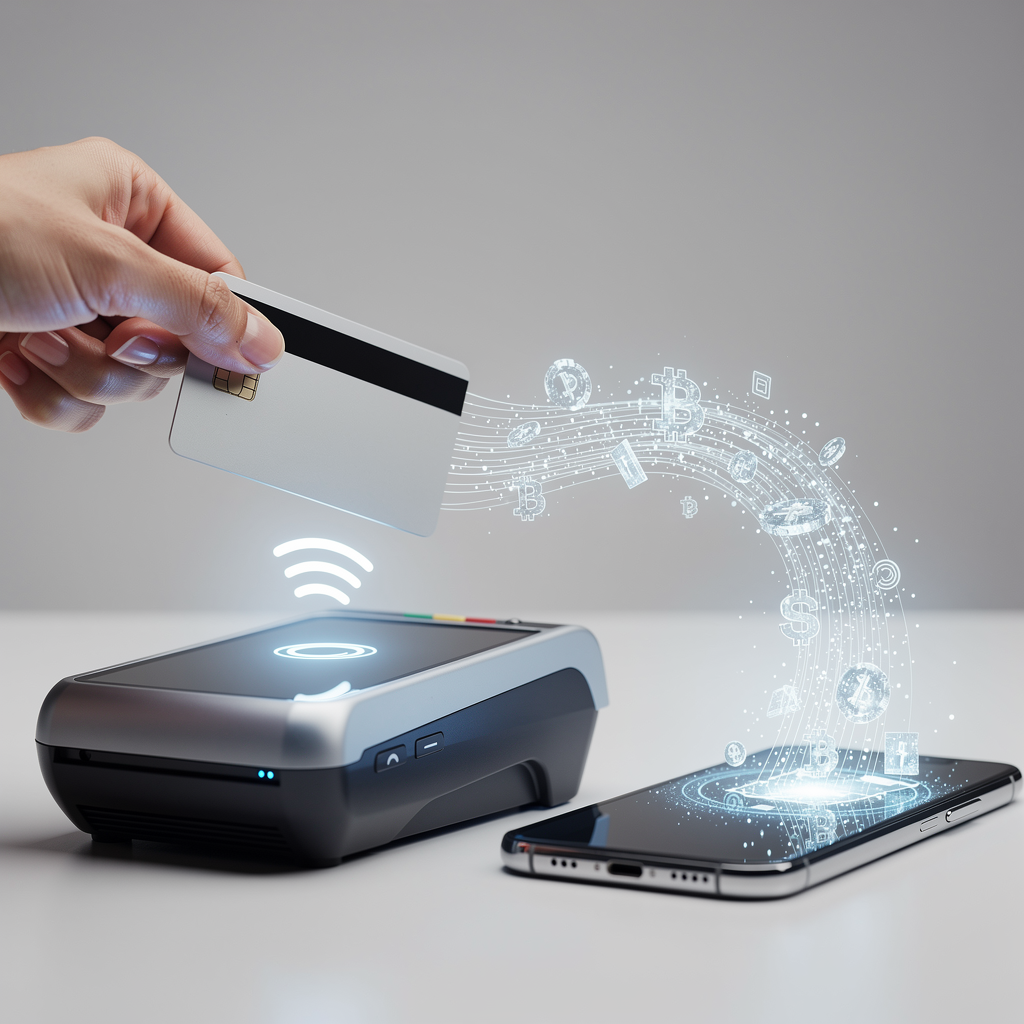
In the line for my morning coffee the card reader hesitated for a moment, not the barista, not the cashier — as if the payment system itself were weighing a policy question before approving the tap. If that moment sounds strange, you are not imagining it. Money is migrating from plastic and paper into digital forms that blend policy, technology, and daily life. The question is no longer only whether a digital dollar exists; it is how the rules around money ride along with your purchases, your data, and your rewards.
Two rails are converging at the point of sale: the traditional card networks that optimize speed and rewards, and centralized or semi-centralized digital money that comes with new governance and privacy rules. This is not a single path; it is a family of paths that could meet you at the counter in surprising ways.
What this means for you today
- Privacy and data: Expect clearer choices about where your payment data goes and how it is used. Some designs aim for privacy by design; others balance visibility with control. The way your issuer implements this will matter more than the name of the money in your wallet.
- Rewards and acceptance: If digital money becomes widely usable at the point of sale, card networks will adapt to keep checkout smooth, settlements fast, and potentially unlock new reward structures aligned with digital money ecosystems.
- Interoperability: The push toward interoperability could mean a single app supports fiat wallets, central bank digital wallets, and tokenized private deposits, reducing wallet clutter but raising data sharing questions.
How to approach this as a consumer today
- Stay curious about what your bank, issuer, or wallet app is testing. Ask where your payment data goes, how privacy is protected, and whether new fees or limits exist as rails evolve.
- Compare experience, not just price. If a new rail promises one click payments or instant settlement, try a few small transactions to see how it feels and what data you share.
- Read governance and disclosures. When regulators publish guidance on privacy safeguards or cross-border usage, look for sections about consumer protections and data access.
What to do in the coming year
- If you like digital wallets, run a low-risk, frequent purchase to see how a new rail behaves in real life, paying attention to receipts and prompts about privacy.
- If rewards matter, evaluate how different rails align with your spending. Pilots may offer faster payouts or new earning opportunities tied to digital money usage.
- If privacy matters most, seek transparency about data handling and look for privacy by design and opt-out options.
Is this the end of paper or card dominance or the beginning of a new way to pay?
The best approach is practical and open-eyed: treat new rails as complementary to what you already use, not a sudden replacement. That mindset helps you seize opportunities, minimize risk, and keep control over your wallet.
A final question to carry forward
As digital money becomes more embedded, I keep asking a quiet question: if the money in my pocket starts speaking through policy choices, whose voices will protect my interests—the consumer, the regulator, or the provider? What would I trade away or gain in that exchange? It is not a final conclusion but the starting point for a conversation we should all have with our bankers, networks, and ourselves.
Would it be worth periodically asking what matters most to us as payers—speed, privacy, simplicity, or control over the rules that govern our transactions? The answers will shape not just how we pay, but what we value about money itself.
In everyday life we can already glimpse the multi-rail future at the checkout. It is not about replacing cards overnight but about expanding the ways we pay while demanding stronger privacy safeguards and clearer governance. The practical upshot is simple: stay curious, test small, and demand clarity.
If this felt useful, consider trying a small wallet experiment today: add a low-dollar item purchase via a companion digital wallet and compare the flow to your usual card transaction. Observe prompts, data requests, and the receipts you receive.
Would you share your experiences and questions as you test these rails? I am curious how your next checkout will feel in a world of evolving rules and devices.
