
I once pulled into a busy cafe lot and overheard a driver mutter, almost to herself, that insurance felt like a hidden meter ticking away between rides. She wasn’t being dramatic—she was describing a real budget check: how to stay protected without starving her earnings. If you’re a rideshare driver or gig worker watching every dollar, you’ve probably felt that tension too. The question isn’t whether coverage is important—it is. The question is how to get coverage that fits your budget, your hours, and your state’s rules. Let’s talk through a practical, human-centered path to affordable protection without pretending the cost isn’t real.
What makes this topic tricky is not just the price tag, but where the price shows up in your pay. Insurance costs are a meaningful driver of ride fares in some markets, and reforms toward affordability are shaping what drivers can expect in the future. In California, for example, lawmakers are reshaping both the costs and the protections around rideshare work. AB 1340 introduces a framework for sectoral bargaining and drivers’ rights while keeping independent contractor status intact, and SB 371 lowers uninsured/underinsured motorist minimums to more affordable levels—fundamentally changing the math for both riders and drivers. All of this matters because it signals a shift: better protection can coexist with lower price pressure on riders, if the right coverage options exist for drivers. (California policymakers and official updates emphasize affordability plus protections; see CA government releases and related summaries.)


On the insurance side, major carriers now commonly offer rideshare endorsements or specialized policies that bridge gaps in the platform’s coverage. State Farm describes a dedicated rideshare endorsement that adds roughly 15–20% to a driver’s personal auto policy, extending personal coverage into rideshare activity and coordinating with the platform. Progressive similarly notes options to add rideshare coverage to a personal policy or to pursue a commercial policy, depending on state rules. These aren’t cosmetic changes; they’re designed to close the coverage gaps that appear once you’re in-app but before the ride begins or after the trip ends. (State Farm, rideshare coverage; Progressive rideshare coverage.)
With that landscape in mind, here’s a practical way to approach insurance that respects your budget while keeping you protected.
Is affordable coverage possible? Yes—especially when you combine a few realistic options you can actually compare side by side and tailor to your typical driving pattern.
What you’ll gain from this guide is not a single magic policy, but a framework to judge the choices you have now and a plan to adjust as your earnings or state rules shift. You’ll learn how to assess coverage across the three common phases of a rideshare trip, explore budget-friendly options beyond traditional endorsements, and build a concrete starter plan you can implement this week.
First, a quick roadmap of practical options that drivers are actually using today. Then we’ll translate that into a simple, four-step plan you can put into action this month—without overhauling your current policy if you’re already paying for one.
Why these options matter
– Rideshare endorsements fill gaps between the platform’s coverage and your own policy, especially during the app-on phases (when you’re waiting to be matched, when a ride is requested but before pickup, and when a passenger is in the car). Common carriers publish details about these gaps and how endorsements bridge them. The cost impact is usually notable but predictable, often in the single-digit to low-double-digit monthly range, depending on your driving profile and state rules. (State Farm, Progressive descriptions of endorsements.)
– California’s reforms this year emphasize protecting drivers while maintaining price competitiveness for riders, which can indirectly reduce overall costs for the gig economy. The practical effect for you as a driver is more clear options to price your coverage and potentially more bargaining power with platforms and insurers. (AB 1340, SB 371 coverage changes; Governor’s office updates.)
– Alternative, budget-friendly models like pay-per-mile or usage-based insurers are gaining traction. They aren’t a one-size-fits-all, but for low-mileage drivers they can reduce cost without sacrificing essential protection, especially when paired with a rideshare endorsement in the right state. (Insurtech comparisons and market analyses.)
How this article is organized (and how to use it)
– You’ll get a clear sense of the three rideshare phases and how coverage commonly behaves in each, with examples from major insurers to illustrate real-world choices.
– You’ll see concrete, practical options grouped by how much they typically cost and how easy they are to set up, plus a reality check about state-by-state availability.
– You’ll walk away with a four-step starter plan you can implement this month to balance budget and protection.
Phase-by-phase: what coverage looks like in practice
– Phase 1 (app on, waiting to be matched): Some personal policies offer limited liability in this window. To be safer here, many drivers opt for a rideshare endorsement so your policy coordinates with the platform’s coverage and fills gaps that might otherwise expose you to out-of-pocket costs.
– Phase 2 (ride requested, waiting for pickup): This window is a common gap area. Endorsements or a carefully chosen commercial policy can broaden your protection beyond what a standard auto policy would provide.
– Phase 3 (passenger in the vehicle): The platform insurance steps in, but there are still gaps in some cases. A well-muited endorsement helps align platform limits with your own policy, so you’re not relying on luck if something goes wrong.
Smart, budget-friendly options drivers actually use
– Rideshare endorsements on personal policies: Widely available through major carriers, these end up costing more than a vanilla auto policy but can keep your protection synchronized with the platform. Typical estimates show a 15–20% premium lift, depending on your policy and state rules. This is the most common and reliable way to ensure coverage across all rideshare phases. (State Farm notes on rideshare endorsements; Progressive comparisons.)
– Pay-per-mile and usage-based pricing: These models price insurance based on how much you drive, which can be attractive for low-mileage drivers. Availability varies by state, and these products often exist alongside endorsements rather than replacing them. If you’re a driver with a fluctuating schedule, this can be the right kind of flexibility to reduce costs when your miles are low. (Insurify-type rundowns; market analyses.)
– Mixed models and newer insurtech approaches: Some players are pursuing more personalized pricing by blending data-driven pricing with broader coverage offerings. The idea is to give gig workers a way to stay protected without paying for coverage they don’t need, while still meeting platform and state requirements. (Industry commentary and strategic moves like Metromile’s evolution.)
A four-step starter plan you can implement this month
1) List your three typical driving patterns: hours committed, miles driven per week, and whether you mainly do short trips or long-haul rides. This will help you see whether a mileage-based product could be worth it.
2) Compare endorsements vs. pay-per-mile with concrete quotes. Ask carriers to quote the cost with and without the endorsement for your exact vehicle, state, and driving profile. Look for how each option coordinates with the rideshare platform’s coverage and any deductibles you’d still face after a claim.
3) Check California-specific changes if you’re in CA. Note the UM/UIM minimum reductions and Prop 22 provisions, and how they interact with your chosen coverage. It’s worth confirming how sectoral bargaining and driver protections could influence overall costs and benefits. (CA governmental updates and summaries.)
4) Decide on a primary strategy and test it for 60–90 days. If your miles are consistently low, a usage-based option might win. If you drive a lot in peak hours or in high-risk areas, an endorsement with a clear coordination strategy may be the safer route. Revisit your plan after the period and adjust as needed.
A note on credibility and reliability
– The landscape is evolving. Major carriers publish practical details about how their rideshare endorsements work and what phases they cover, and government updates in California reflect a broader trend toward affordability paired with protections. When you’re choosing, look for how well the policy’s language matches your actual driving pattern and how it coordinates with the platform’s coverage. It’s not about chasing the lowest price; it’s about making sure your budget buys you real protection when a claim happens.
What I’m keeping in focus as I write this
– I’m balancing numbers with lived experience: hearing how drivers manage their earnings and plan around the costs that creep up each month. I’m also watching how policy changes unfold in CA and other states, and how insurers respond with products that truly fit gig workers’ needs. If I’m wrong about something, I want to hear your take so we can rethink it together.
What do you think? Is affordable coverage a real possibility where you drive, or does the math still feel stubbornly against you? If you’ve found a combination that works, what’s your “sweet spot” in terms of balance between premium and protection? Let’s figure this out as a team—and keep the conversation going as rules, prices, and options evolve.
Closing thought
– The breakthrough isn’t a single policy that fixes everything; it’s a practical, updated toolkit you can assemble to fit your budget and your road ahead. As California and other states refine how coverage and wages intersect, your plan should be flexible, transparent, and, most importantly, doable in real life. The journey isn’t just about protecting your car or your ride—it’s about protecting your ability to keep driving when life is already paying attention to every dollar. If we’re honest with each other, the question isn’t only, “What can I afford today?” but, “What should I prepare for tomorrow, together?”
Is budget-friendly rideshare insurance really possible for gig drivers?
I remember pulling into a crowded cafe lot and hearing a driver at the next table lean in, almost whispering to herself: there’s a hidden meter ticking away between rides, and I’m watching it drain my earnings. It wasn’t melodrama. It was practical math—the cost of staying protected without starving the paycheck. If you drive for a living or do gig work on the side, you’ve felt that tension too. Insurance matters, but so does every dollar that lands in your pocket at the end of the week. So how do you square protection with a budget you can actually survive on?
Below is a human-centered path that respects your hours, your miles, and the rules that keep changing around rideshare work. It’s not a single magic policy; it’s a toolkit you can assemble, test, and adjust as your schedule and state laws shift.
A simple map through the three windows of a rideshare trip
Think of coverage as layered through small moments: before a ride is matched, during the ride request, and once the passenger is in your car. Different policies fill gaps in these moments, and the way you price that protection can change with your driving pattern.
- Phase one: app on, waiting to be matched
- Some personal auto policies offer a touch of liability here, but it’s usually limited. A rideshare endorsement helps align your own policy with the platform’s coverage, reducing the chance you’ll pay out of pocket for surprises in this waiting period.
- Phase two: ride requested, waiting for pickup
- This window is a common gap. An endorsement or even a carefully chosen commercial policy can extend protection beyond what a vanilla policy would provide.
- Phase three: passenger in the vehicle
- The platform steps in, but gaps may still exist if your policy language doesn’t mesh with the ride-hailing model. A well-matched endorsement coordinates limits and deductibles so you’re not leaning on luck when a claim happens.
What this means in practice is not a single price tag, but a balance: how much are you paying, and what protection do you actually get when things go wrong?
What’s changing in the real world (and why it matters to your budget)
Two big threads shape today’s numbers for rideshare coverage:
- California’s evolving rules. A newer framework aims to give drivers more bargaining power without forcing reclassification. The reforms include sectoral bargaining options and changes to uninsured/underinsured motorist (UM/UIM) minimums—designed to keep rides affordable while preserving protections. Expect these changes to influence pricing, coverage choices, and even how platforms negotiate with drivers in the coming years.
- Major carriers adapting to rideshare needs. Big insurers now commonly offer rideshare endorsements that bridge gaps between platform coverage and a driver’s own policy. Typical statements you’ll see cite a premium lift—often around 15–20%—to extend personal coverage into rideshare activity and coordinate with the app’s insurance. This is not cosmetic; it’s about closing the gaps so a claim doesn’t derail your finances.
These developments aren’t about chasing the cheapest plan; they’re about redesigning coverage so it actually fits the way you drive. When you hear about “UM/UIM minimums,” think about real-life protection for you and your riders, not just a regulatory checkbox.
Budget-friendly options drivers actually use (without pretending there’s a single silver bullet)
Here are practical paths you can compare side-by-side. They’re designed to work with real schedules, not fantasy hours.
- Rideshare endorsements on a personal policy. The most common route: you keep your auto policy and add an endorsement that specifically covers in-app activity. This is the most predictable way to fill gaps you’ll encounter in all three phases. Expect a premium lift in the range of roughly 15–20%, depending on your vehicle, state rules, and discounts. It’s not free, but it’s a known quantity and widely supported by major carriers. (State Farm and Progressive outline these options clearly.)
- Pay-per-mile or usage-based insurance. For drivers who log relatively few miles, a usage-based product can reduce costs. Availability varies by state, and these models often work best when paired with an endorsement that covers the rideshare app in all phases. They’re not a replacement for platform coverage everywhere, but they can be a meaningful savings lever for low-mileage weeks. (Industry rundowns and insurtech comparisons.)
- Commercial policies as a backup or alternative. In some cases, you’ll see a switch to a commercial policy to ensure seamless coverage during app-on periods. This might be more expensive upfront but can simplify claims handling if your state requires it or if your driving pattern is high-risk or unusually predictable. (Carrier guidance and state-by-state notes.)
- Hybrid or mixed models. A growing part of the market blends data-driven pricing with broader coverage, aiming to tailor protection to your actual driving while avoiding paying for coverage you don’t need. This is particularly relevant for gig workers who see fluctuating hours or variable routes week to week.
In other words: you don’t have to choose between “full protection” and “lower costs.” You can combine options to fit your actual life on the road.
California reforms you’ll hear about (and how they interact with your wallet)
- UM/UIM minimums are being adjusted toward more affordable levels, with new thresholds like $60,000 per person and $300,000 per accident in some contexts. This matters because it can reduce the portion of a claim you personally shoulder. At the same time, Prop 22-related occupational coverage continues to offer a layer of protection for drivers.
- These changes are designed to keep ridesharing affordable for riders while preserving essential protections for drivers, and they set a framework under which insurers price products and platforms design offers. If you drive in California, your plan should reflect both the new UM/UIM landscape and the continuing role of platform-independent protection.
The practical effect? More clear options to price coverage that aligns with how you actually drive and how your city or state regulates rideshare work. It’s not just about lower prices; it’s about less guesswork when you need to file a claim.
A practical starter plan you can implement this month
If you’re ready to act, here’s a four-step approach you can start today. It’s built to translate the policy choices into a real decision you can test over 60–90 days.
1) Map your typical driving patterns. List your three most common scenarios: hours you drive, miles per week, and whether you mostly do short trips or longer routes. This helps you see whether a mileage-based product could be worth it.
2) Get side-by-side quotes. Ask carriers to quote costs with and without the rideshare endorsement for your exact vehicle and state. Compare how each option coordinates with the platform’s coverage and what deductibles you’d face if a claim falls into a gray area.
3) Check state-specific rules if you’re in CA. Note the UM/UIM changes and Prop 22 provisions, and consider how sectoral bargaining might influence overall costs and benefits over the next year.
4) Run a 60–90 day test. If miles stay low, the usage-based option might win; if you drive longer hours or in riskier areas, an endorsement with careful coordination may be safer. Revisit and adjust after the trial period.
This isn’t about chasing a single perfect policy. It’s about building a practical plan you can adapt as your earnings, hours, and the regulatory environment change.
A note on credibility and real-life shopping
The landscape is evolving, and your best bet is to look for policy language that matches your driving reality and how you interact with the rideshare platform. Carriers publish practical details about endorsements and how they operate across the three typical phases of a ride. Government updates—like California’s reforms—signal a broader trend toward affordability paired with improved protections for gig workers. The point is not to pick the cheapest policy today but to ensure the plan you choose actually covers you when something goes wrong.
State Farm describes a rideshare endorsement that can add roughly 15–20% to your premium while extending your personal policy into rideshare activity and coordinating with the platform. Progressive similarly notes options to add rideshare coverage to a personal policy or pursue a commercial route, depending on state rules and your driving pattern. These aren’t random products; they’re designed to close the protection gaps you’ll encounter in the three phases described above. (State Farm; Progressive.)
What I’m keeping in focus as I write this (and what I want to learn with you)
I’m balancing the numbers with lived reality: what drivers say about paying for protection each month, how policy changes in California ripple through every city, and how insurers respond with products that fit gig workers rather than creating another budget bogey. If I’m wrong about something, tell me—your perspective helps us rethink together.
What do you think? Is affordable coverage real where you drive, or does the math still feel stubbornly against you? If you’ve found a sweet spot, what’s your balance between premium and protection? Let’s keep this conversation going as rules, prices, and options evolve.
Closing thought
The breakthrough isn’t a single policy that fixes everything; it’s a practical, updated toolkit you can assemble to fit your budget and your road ahead. As California and other states refine how coverage and wages intersect, your plan should stay flexible, transparent, and realistically doable in daily life. The journey isn’t just about protecting your car or your ride—it’s about protecting your ability to keep driving when life is already paying attention to every dollar. If we’re honest with each other, the question isn’t only, “What can I afford today?” but, “What should I prepare for tomorrow, together?”
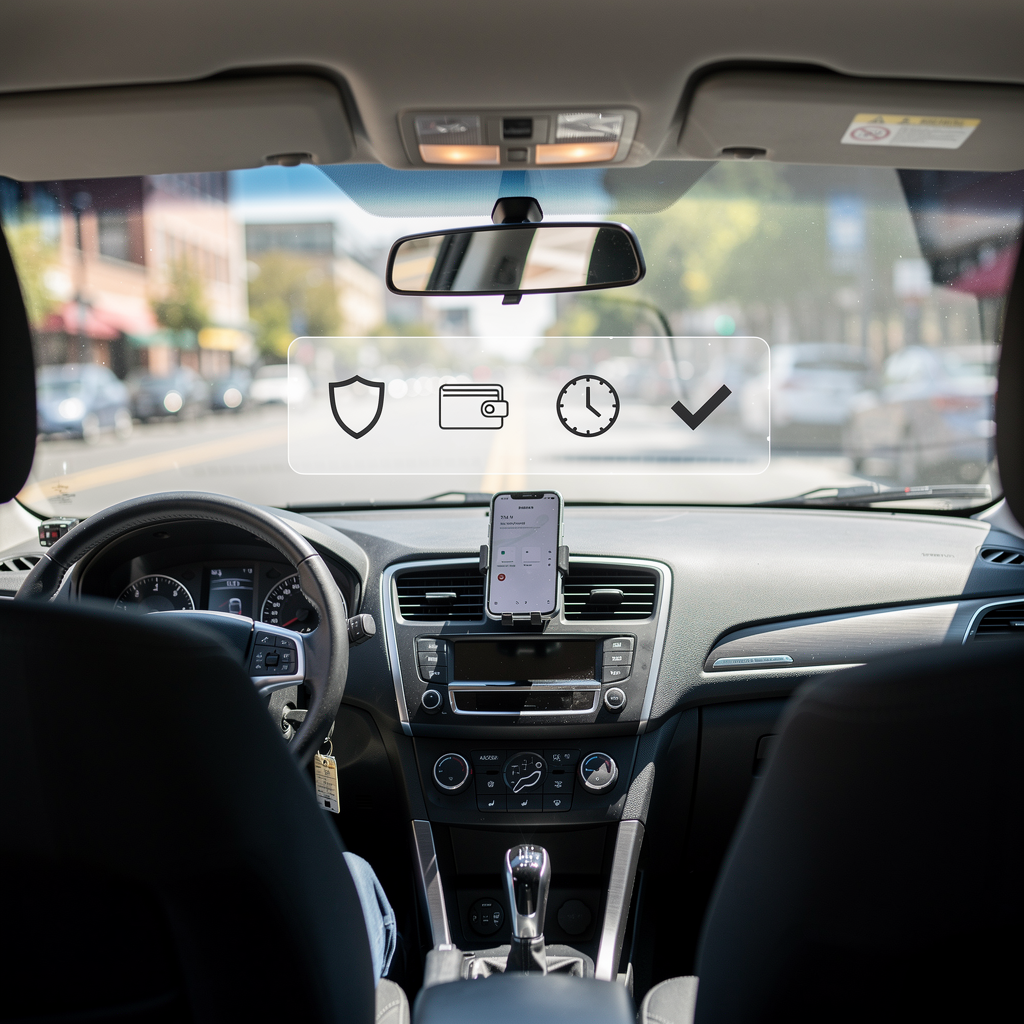
You don’t have to choose between staying protected and staying profitable. The real win is building a toolkit that fits the way you drive, not shoehorning protection into your budget. Across the miles you log and the hours you work, affordable coverage is possible when you mix practical options, stay flexible, and keep the plan you’re building tuned to your actual life on the road.
What this means for you right now
- Protection isn’t a single price tag; it’s a layered approach that fills the gaps between the platform and your own policy. Endorsements, pay-per-mile options, and selective commercial coverage each play a role depending on how you drive. The key is coordination: how well does your policy talk to the app and the ride you’re about to give?
- State changes aren’t just regulatory noise; they shift what’s affordable in a real way. California’s reforms signal a future where better protections can coexist with costs that don’t crush earnings. Expect more transparent options and smarter pricing that reflect how gig work actually unfolds week to week.
- The market is moving toward personalization: pay attention to models that price protection around your actual miles and hours, not a blanket rate. A well-chosen mix can cut costs without cutting essential coverage, especially when you stay honest about your driving patterns.
Concrete actions you can take this month
1) Map your three most common driving patterns: hours you drive, miles per week, and whether you mostly do short trips or longer routes. This will reveal whether a mileage-based product could be worth it.
2) Gather side-by-side quotes. Ask carriers to price the policy with and without the rideshare coordination for your exact vehicle and state. Compare not just the price, but how each option bridges the platform’s coverage and what your deductibles would be.
3) If you drive in California, check current UM/UIM thresholds and Prop 22 provisions, and consider how sectoral bargaining might influence costs in the coming months. The point is to align protection with the actual rules shaping your work.
4) Run a 60–90 day test. If your miles stay light, the usage-based option might win. If you drive more during peak hours or in riskier areas, an endorsement with careful coordination could be the safer path. Revisit and adjust as you go.
Looking ahead what to watch and how to stay ready
- Expect updates that rebalance affordability with protections. Set a quarterly reminder to review your policy language against your driving reality and to reassess if your schedule changes.
- Track what actually works for you in real life, not what sounds good in a brochure. Your best plan will be the one you can explain to a passenger, a platform rep, or a friend without needing a calculator to justify it.
- Stay curious about new models. Hybrid pricing, usage-based elements, and better platform-policy coordination will keep evolving as states refine regulations and insurers adapt to gig work.
Closing thought
The breakthrough isn’t a single policy that fixes everything; it’s a practical, adaptable toolkit you can assemble and refine as your road unfolds. As rules shift and markets respond, your plan should stay flexible, transparent, and doable in everyday life. The real question isn’t just what you can afford today, but what you’ll prepare for tomorrow, together with others who are driving the same road. Now is the moment to act: try the four-step starter plan this week, compare the options side by side, and share what you learn so we can all drive smarter—and safer—together.