When I first started tinkering with cross-chain transfers, I asked a simple, stubborn question: is the bridge really as trustworthy as its hype claims? The moment a friend tried to move assets from one chain to another, the room filled with a mixture of excitement and unease—the kind of tension that makes you realize the promise of omnichain liquidity hinges on something more concrete than clever marketing.
Across the crypto landscape today, cross-chain exchanges are moving from novelty to necessity. Reports describe omnichain ecosystems maturing, with standardized cross-chain messaging and programmable transfers becoming the backbone of multi-chain apps. LayerZero is expanding liquidity across dozens of networks, and CCIP is evolving from general availability toward broader, developer-friendly adoption. This isn’t theoretical anymore; real assets, tokenized funds, and institutional programs are riding these rails (Cointelegraph; Coindesk; Chainlink). Yet the same stories that thrill us—faster settlements, broader liquidity, multi-chain dApps—also remind us of persistent risks and evolving regulation.


Problem/Situation Presentation
What makes evaluating a cross-chain exchange feel different from reviewing a traditional crypto platform? Several factors converge in ways that aren’t obvious at a glance:
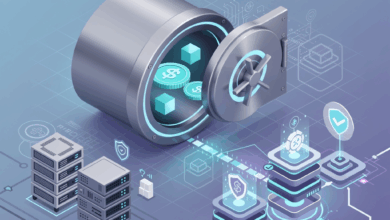
- Security architecture and real-world risk: Bridges have historically suffered exploits, so any cross-chain solution now lives under a security microscope. Industry players emphasize multi-layer defenses, frequent audits, and a security-first mindset in every rollout (Outposts, Chainlink, and leading bridge providers).
- Liquidity architecture: Early bridges often depended on single pathways; today, there’s a shift toward multi-chain liquidity hubs and aggregated liquidity pools to reduce slippage and increase reliability. This multi-hub approach is designed to weather network congestion and protocol-specific issues (Anyswap/Multichain roadmaps and LayerZero ecosystem discussions).
- Network breadth (including non-EVM): The best cross-chain solutions are expanding beyond Ethereum-like networks to include Solana, Aptos, Sui, and other ecosystems, enabling broader asset movement and more flexible use cases (Anyswap roadmaps; TON integrations via LayerZero).
- Programmability and asset tokenization: Cross-chain transfers are increasingly programmable—tokens can move and trigger actions across chains, enabling on-chain settlement workflows and tokenized-asset rails for institutions (CCIP general availability; Wormhole-enabled workflows).
- Regulatory and enterprise context: Regulators in major markets are signaling heightened scrutiny of cross-border settlement rails and critical market infrastructures, which shapes how providers design, audit, and market their products (EU supervisory signals; CSIs like cross-chain fund transfers with tokenized assets).
These dynamics aren’t just about tech; they’re about who can trust the rails that move value across borders and networks. If you’re evaluating an exchange or bridge, you’re also evaluating whether you’re buying speed at the cost of security, or liquidity at the cost of decentralization.
Value of This Article
This piece offers a concrete, reader-friendly framework you can apply today. You’ll get:
- Five critical checks that cover security architecture, liquidity depth, interoperability breadth, programmability, and regulatory posture.
- Real-world anchors—TON-LayerZero, Rootstock-LayerZero, Securitize/Wormhole, and CCIP adoption—to ground the framework in current practice.
- Practical tips for assessing a cross-chain service, including how to read security claims, interpret liquidity liquidity metrics, and judge regulatory alignment.
Why this matters: the next generation of cross-chain apps hinges on rails you can trust. If you can vet security, liquidity, and compliance in one pass, you’ll be better prepared to participate in multi-chain ecosystems without abandoning prudence to hype.
Five Critical Checks to Use Today
1) Security architecture and audits
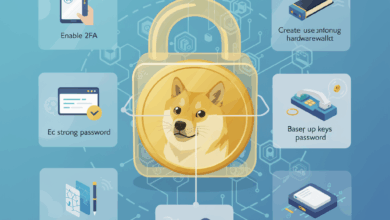
– Examine whether the protocol uses layered security (e.g., relayers, oracles, multisignature schemes) and whether independent audits are publicly available. Prefer systems with ongoing security programs and transparent incident histories. Recent industry discussions emphasize defense-in-depth and third-party audits as non-negotiable signals of maturity (Chainlink CCIP, Outposts, and audit reports referenced in industry analyses).
2) Liquidity depth and routing design
– Look for multi-chain liquidity hubs rather than single-bridge bottlenecks. A diversified liquidity approach helps reduce slippage and increases reliability during network stress. Track ecosystem dynamics like Stargate-like pools and multi-bridge liquidity initiatives cited in LayerZero ecosystem coverage.
3) Network coverage and token types supported
– Confirm whether non-EVM networks are supported and whether native tokens can be moved directly or only wrapped forms are available. Broader network support signals a more flexible cross-chain strategy that can adapt to a wider set of use cases (Anyswap/MultiChain roadmaps; CCIP expansion).
4) Programmability and asset-tokenization capabilities
– Assess whether the system enables programmable token transfers and cross-chain messaging, which unlocks more complex on-chain workflows and asset-tokenization rails for institutions. The rollout of CCIP’s programmable transfers is a key reference point here (CCIP GA discussions; Transporter tooling).
5) Regulatory posture and enterprise readiness
– Evaluate how the provider positions itself within current regulatory expectations, including custody, cross-border settlement rails, and enterprise-grade security controls. EU supervisory signals and enterprise pilots around tokenized funds illustrate a practical backdrop for these decisions.
Real-World Anchors (Examples That Ground the Framework)
- TON integration with LayerZero expands cross-chain connectivity and liquidity to additional ecosystems, including TON’s broader bridge ambitions (Coindesk).
- Rootstock’s cross-chain connectivity via LayerZero signals Bitcoin ecosystem participation in omnichain flows (Coindesk).
- Securitize’s collaboration with Wormhole demonstrates institutional-grade tokenized-fund rails and multi-chain settlement capabilities (Wormhole blog).
- CCIP’s general availability and Transporter tooling illustrate a mature, programmable cross-chain stack that prioritizes security and developer tooling (Chainlink blog).
How to Apply this Framework in Practice
- When you review a cross-chain exchange, map its claims to the five checks above. If a project highlights security audits and a broad liquidity network, but offers scant detail on regulatory controls, you’ll know where to press for clarity. If it emphasizes non-EVM support and programmable transfers, test how those features translate into real-world use cases like cross-chain tokenization or multi-chain DeFi strategies.
- Use concrete, dated milestones as anchors. For example, Ton’s LayerZero integration in early 2025, Wormhole-enabled securitized funds announcements, and CCIP’s ongoing rollout provide tangible benchmarks against which to measure ongoing progress.
A Final Thought
As the space evolves, the most trustworthy rails may be those that combine transparent security practices, diversified liquidity, broad network support, programmable capabilities, and clear regulatory alignment. The question we should keep asking, together, is not just what is technically possible, but what it takes to deserve trust when millions of dollars and countless projects ride on these bridges—and what you’re willing to bet on today for a more connected tomorrow.
Should cross-chain exchanges be trusted rails or risky shortcuts?
I remember the first time I tried to move a token from one chain to another. The screen flickered, a moment of quiet panic, and then a message that felt like a verdict: the transfer failed, or worse, a hidden fee slipped through. The room filled with a mix of relief and unease. This is how omnichain dreams begin: with a simple question about trust, and a very human ache to see value move smoothly across borders when the tech itself still feels new and provisional.
Across the crypto landscape today, cross-chain exchanges have shifted from being curiosities to practical infrastructure. Reports describe omnichain ecosystems maturing, with standardized cross-chain messaging and programmable transfers becoming the backbone of multi-chain apps. LayerZero is expanding liquidity across dozens of networks, and CCIP is evolving from general availability toward broader, developer-friendly adoption. This isn’t purely theoretical anymore; real assets, tokenized funds, and institutional programs are riding these rails. Yet the same stories that thrill us—faster settlements, broader liquidity, multi-chain dApps—also remind us of persistent risks and evolving regulation.
What makes evaluating a cross-chain exchange feel different from reviewing a traditional crypto platform? Several strands braid together in ways that aren’t obvious at a glance:
- Security architecture and real-world risk: Bridges have historically suffered exploits, so any cross-chain solution now lives under a security microscope. Industry players emphasize multi-layer defenses, audits, and a security-first mindset in every rollout.
- Liquidity architecture: Early bridges often relied on single pathways; today there’s a shift toward multi-chain liquidity hubs and aggregated pools to reduce slippage and increase reliability during network stress.
- Network breadth (including non-EVM): The best cross-chain solutions are expanding beyond Ethereum-like networks to include Solana, Aptos, Sui, and other ecosystems, enabling broader asset movement and more flexible use cases.
- Programmability and asset tokenization: Cross-chain transfers are increasingly programmable—tokens can move and trigger actions across chains, enabling on-chain settlement workflows and asset-tokenization rails for institutions.
- Regulatory and enterprise context: Regulators in major markets signal heightened scrutiny of cross-border settlement rails and critical market infrastructures, shaping product design, audits, and market expectations.
These dynamics aren’t just about tech; they’re about who can trust the rails that move value across borders and networks. If you’re evaluating a cross-chain exchange, you’re also evaluating whether you’re buying speed at the cost of security, or liquidity at the cost of decentralization.
Five critical checks shape a practical evaluation framework that stays useful beyond the hype:
1) Security architecture and audits
- Look for layered security that blends relayers, oracles, and multisignature schemes, plus independent audits and ongoing security programs. Public incident histories and transparent risk disclosures are strong signals of maturity. In the current climate, security is not a feature to skim — it is the foundation, especially as programmable transfers become more common.
2) Liquidity depth and routing design
- Favor designs that aggregate liquidity across multiple chains instead of relying on a single bridge. Multi-chain liquidity hubs reduce slippage and improve resilience during congestion or bridge-specific issues. Track ecosystem activity and the presence of portals like multi-bridge liquidity pools.
3) Network coverage and token types supported
- Confirm support for non-EVM networks and whether native tokens can be moved directly or only via wrapped forms. Broader network support signals a more adaptable cross-chain strategy that aligns with diverse use cases, including tokenized assets on multiple ledgers.
4) Programmability and asset-tokenization capabilities
- Assess whether cross-chain transfers can trigger actions on destination chains and whether the system supports programmable token transfers. This unlocks complex on-chain workflows and institutional rails for asset movement and settlement.
5) Regulatory posture and enterprise readiness
- Examine how providers align with regulatory expectations, including custody, cross-border settlement rails, and enterprise-grade security controls. Clear regulatory signals can indicate long-term viability and risk management discipline.
Real-world anchors that help ground this framework:
- TON integration with LayerZero expands cross-chain connectivity and liquidity across new ecosystems. This demonstrates rapid onboarding of new networks and liquidity channels.
- Rootstock cross-chain connectivity via LayerZero signals how Bitcoin-native ecosystems can participate in omnichain flows.
- Securitize with Wormhole exemplifies institutional-grade tokenized funds and multi-chain settlement capabilities, suggesting mature rails for regulated assets.
- CCIP general availability and Transporter tooling illuminate a mature, programmable cross-chain stack that prioritizes security and developer tooling.
How to apply this framework in practice:
- When you review a cross-chain exchange, map its claims to the five checks above. Strong audits and broad liquidity are meaningful, but if regulatory controls are murky, you’ll want clearer disclosures. If the emphasis is non-EVM support and programmable transfers, probe how those features translate into real-world use cases like cross-chain tokenization or multi-chain DeFi.
- Anchor your assessment with dated milestones to avoid hype paralysis. For example, major integrations and governance updates in early 2025 provided concrete progress markers against which to measure ongoing activity.
Five quick anchors for quick intuition:
– Security and audits: Are there independent reports, bug bounty programs, and incident histories?
– Liquidity networks: Is liquidity aggregated, or does your flow rely on one pool or bridge?
– Network breadth: Do you support non-EVM ecosystems and native token transfers?
– Programmability: Can you move tokens and trigger actions across chains in one flow?
– Compliance: Is there an explicit stance on custody, KYC/AML for on-chain funds, and enterprise use cases?
Real-world anchors you can test in discussions or demos today:
- TON and LayerZero integration broadening cross-chain reach
- Rootstock bridging via LayerZero expanding Bitcoin-era participation
- Securitize and Wormhole enabling tokenized funds across multiple chains
- CCIP’s general availability and the Transporter toolset for secure cross-chain messaging and transfers
How to present this in a practical blog or briefing:
– Frame the narrative around four pillars: security-first rails, liquidity and reliability, developer tooling and programmability, and regulatory/enterprise adoption. Use concrete, dated examples to anchor claims and then explain current capabilities in context of today’s multi-chain ecosystems.
A final thought to carry forward:
– The most trustworthy rails may be those that combine transparent security practices, diversified liquidity, broad network support, programmable capabilities, and clear regulatory alignment. The question we should keep asking together is not just what is technically possible, but what it takes to deserve trust when millions of dollars ride on these bridges — and what you are willing to bet on today for a more connected tomorrow.
Try this directly now: a practical starter checklist for evaluating cross-chain exchanges
– Step 1: Define your use case and required networks. List the chains you need and whether you must move native tokens or wrapped variants.
– Step 2: Review security posture. Look for independent audits, security disclosures, and a public incident history. Check if there is a bug bounty program and how quickly vulnerabilities are addressed.
– Step 3: Assess liquidity design. Is liquidity provided via a multi-chain hub or a single bridge? Check for measurable liquidity across the target networks and historical slippage data.
– Step 4: Verify programmability and tokens. Can you program transfers with triggers and data payloads? Confirm support for programmable token transfers and cross-chain messaging.
– Step 5: Check regulatory posture. Look for enterprise-ready controls, custody solutions, and jurisdictional alignment with major markets.
– Step 6: Ground your judgment with real-world anchors. Look for dated deployments or partnerships such as TON LayerZero integration, Rootstock collaborations, Securitize Wormhole pilots, and CCIP adoption.
If you want, I can turn this into a ready-to-publish outline with section-by-section talking points, embed-ready case studies, and suggested quotes from the sources above. I can also draft a concise pros/cons checklist for evaluating cross-chain exchanges or bridges for your readers.
What rails would you trust tomorrow, and what would you need to see today to feel comfortable placing a bet on them?

I remember the moment a cross-chain transfer stalled, the screen blinking error and a weight of uncertainty in the room. That memory still guides how I read these rails today: trustworthy liquidity is not just a clever contract, but a practiced discipline. The journey from hype to habit in omnichain ecosystems is real, and it asks us to read the rails with both curiosity and caution. Here are the takeaways that feel most urgent as you evaluate cross-chain exchanges in practice.
Takeaways that matter now
- Security architecture matters most: seek protocols that layer defenses—relayers, oracles, multisignature schemes—and make audits, incident histories, and ongoing security programs public. Trust grows where risk is acknowledged and managed transparently.
- Liquidity depth over single bridges: prefer multi-chain liquidity hubs and diversified routing that reduce slippage and improve resilience during network stress. A diversified liquidity map is a better guardrail than a single bright promise.
- Network breadth signals future flexibility: support for non-EVM ecosystems and native token transfers expands what you can move and how you can use assets across chains. Breadth is a proxy for adaptability in a fast-moving space.
- Programmability unlocks real workflows: programmable transfers and cross-chain messaging enable on-chain settlement workflows and asset-tokenization rails that institutions actually need. The value isn’t the transfer alone, but what it enables next.
- Regulatory posture matters for enterprise readiness: clarity on custody, KYC/AML, and jurisdictional alignment isn’t a theoretical backdrop—it’s the runway for real-world deployments and large-scale usage.
These five signals are not just features; they are a constellation you can use to judge whether a bridge or cross-chain service deserves your trust today and in the months ahead.
Practical steps you can take today
- Define your use case and networks: list the chains you must operate on and whether you require moving native tokens or wrapped variants. Clarity here prevents scope creep later.
- Inspect security posture: look for independent audits, a public incident history, and whether there is a bug bounty program with timely vulnerability remediation. Treat security disclosures as a product feature.
- Map liquidity design: ask whether liquidity is aggregated across multiple hubs or housed in a single conduit. Look for measurable liquidity across target networks and historical slippage data rather than optimistic claims.
- Verify mobility and programmability: confirm that programmable transfers and cross-chain messaging exist in practice, and understand the data payloads and triggers supported for real-use cases.
- Check regulatory posture: seek explicit statements on custody, enterprise controls, and jurisdictional risk management. Transparent compliance signals are as important as technical audits.
- Anchor your assessment with dated milestones: use concrete deployments and partnerships as progress anchors to guard against hype. Examples that help illuminate today’s landscape include recent integrations and toolings from TON-LayerZero, Rootstock collaborations, Securitize-Wormhole pilots, and CCIP progress.
A closing reflection
As the space evolves, the rails that deserve our trust are those that combine transparent security practice, diversified liquidity, broad network reach, programmable capabilities, and clear regulatory alignment. The question we should keep asking together is not just what is technically possible, but what it takes to deserve trust when millions of dollars and countless projects ride on these bridges—and what you are willing to bet on today for a more connected tomorrow.
What rails would you trust tomorrow, and what would you need to see today to feel comfortable placing a bet on them?
If this was helpful, try applying the starter checklist today: define networks, review security, assess liquidity design, verify programmability, and check regulatory posture. Start with one ecosystem you care about and compare it against the five signals above. Share your findings, adapt the criteria, and keep testing as the landscape shifts.
A final thought to carry forward: the strongest rails may be those that blend openness with accountability. The more openly a system shares its audits, its liquidity flows, and its regulatory stance, the more room there is for serious collaboration, institutional participation, and durable innovation.