Fifth-Wheel or Motorhome – Is Your Insurance Keeping Pace with How You Travel?

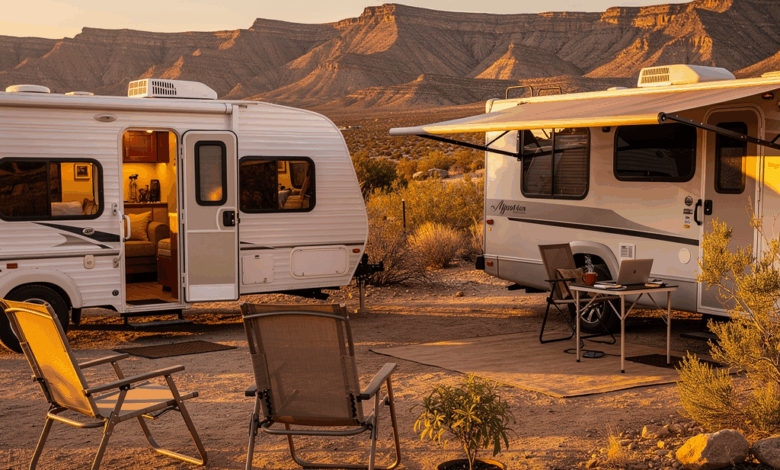
Is your RV insurance doing the job it should? Last season I met a couple at a desert campground. One lived in a fifth-wheel and the other in a motorhome. They assumed their policies matched their way of travel, only to discover gaps when a claim happened after a hail storm. The mismatch wasn’t about price; it was whether the coverage matched how they used the RV as a home, a workplace, and a travel hub.
What makes RV insurance different for fifth-wheels vs motorhomes?

- Fifth-wheel policies are often written as travel trailer or fifth-wheel coverage, with endorsements that address campsite/vacation liability and even full-time use. This reflects how a fifth-wheel is used as a portable residence, parked at campsites for extended periods. Industry notes point to these specialized endorsements as a key feature of modern fifth-wheel coverage. (Farmers’ fifth-wheel coverage: farmers.com/recreational/5th-wheel/?utm_source=openai)
- Motorhome policies are typically auto-style policies, but you can add RV-specific endorsements such as total loss replacement and personal effects coverage. This distinction helps explain why a motorhome claim can look different from a fifth-wheel claim, even when the dollar amounts involved are similar. (GEICO RV endorsements: geico.com/information/aboutinsurance/rv/?utm_source=openai); (State Farm motorhome distinctions: statefarm-sites-dev-b75a.adobecqms.net/insurance/motorhomes?utm_source=openai)
- 2025 market shifts are pushing more carriers toward RV-specific, full-time coverage and clearer, apples-to-apples comparisons across RV types. That means better tools for comparing liability, physical damage, and endorsements side by side, rather than relying on a standard auto policy for an RV that doubles as a home. (Goodsam full-timer coverage: goodsamrvinsurance.com; Globenewswire telematics trend: globenewswire.com/news-release/2025/06/13/3099019/0/en/Usage-Based-and-Telematics-Motor-Insurance-Report-2025).
Endorsements and coverage features worth knowing for either RV type
- Total Loss Replacement or Agreed Value: protects against depreciation on a total loss for newer or high-value rigs. (GEICO RV: geico.com)
- Replacement Cost Personal Effects: ensures personal items inside the RV are covered at replacement cost, not book value. (GEICO RV: geico.com)
- Vacation/Campsite Liability: coverage when parked at a campsite or used as a residence. This is especially common in fifth-wheel and full-time programs. (Farmers: farmers.com/recreational/5th-wheel/?utm_source=openai)
- Emergency Expenses: helps with lodging and meals if you’re displaced after a covered loss. (GEICO RV: geico.com)
- Full-time endorsements: higher liability limits and protections designed for RVers who live in their unit for six months or more each year. (Good Sam: goodsamrvinsurance.com; Farmers: farmers.com/recreational/5th-wheel/?utm_source=openai)
- Storage/garaging considerations: coverage that adapts when the RV is stored part of the year or kept in cold/high-risk locations. (Full-time RV insurance resources: fulltimervinsurance.com)
What this means for practical shoppers
- Start by confirming your RV type: if you tow a fifth wheel, look for a travel trailer or fifth-wheel policy rather than a standard auto policy, and ask about campsite liability and full-time options. If you drive a motorhome, seek an auto-style policy with RV endorsements that mirror the protections you’d expect on the road and in the living space. (State Farm motorhome vs travel trailer guidance: statefarm-sites-dev-b75a.adobecqms.net; Farmers fifth-wheel overview: farmers.com/recreational/5th-wheel/?utm_source=openai)
- Consider your usage. If you spend significant time parked at locations, full-time coverage and higher liability limits can be worth the additional premium. (Good Sam full-timer program: goodsamrvinsurance.com)
- Look for end-to-end coverage that equips you for real-life scenarios at campsites, including personal effects and temporary lodging expenses. (GEICO RV: geico.com; Farmers: farmers.com/recreational/5th-wheel/?utm_source=openai)
- Don’t forget storage. If your RV isn’t in use part of the year, confirm how premiums adjust when it’s garaged or stored, and whether any storage riders apply. (Fulltimervinsurance resources: fulltimervinsurance.com)
A few guiding questions you can carry into your next policy review
- Is my RV truly a towable fifth-wheel or a motorhome, and are my coverages aligned to that distinction?
- Do I live in my RV part-time or full-time, and which endorsements reflect that lifestyle?
- What endorsements matter most for me: total loss, agreed value, vacation liability, or emergency expenses?
- If I financed an RV, what lender requirements exist for coverage, and how does that affect my choice?
- How might telematics or usage-based pricing affect RV coverage in the next few years?
If you’d like, I can map out a side-by-side comparison table with estimated price ranges and typical endorsements for 2025–2026, showing fifth-wheel versus motorhome coverage in a concise, practical format. For now, this overview is intended to spark a more informed conversation with your insurer or broker.
What I’m noticing as I talk with readers and insurers is that the key to confidence isn’t chasing the lowest number, but ensuring the policy actually matches how you use the RV day to day. A home-on-wheels deserves a shield that is built for the road and the campsite, not a one-size-fits-all auto policy with a few add-ons. So what would your next coverage tweak look like if you treated your RV as a residence as much as a vehicle?
In the next piece, I’ll lay out a practical, side-by-side comparison with price ranges and endorsements that matter most for 2025–2026, so you can see the real differences at a glance and decide with clarity.
Is Your RV Insurance Ready for the Home-on-Wheels Life?
Last season at a desert campground, I met a couple whose rigs parked a stone’s throw apart: a fifth-wheel kept in a quiet spot near the cottonwoods, and a motorhome that hummed with the steady rhythm of life on the road. They chatted about their monthly premiums as if they were choosing between two car insurance plans. Then a hail storm arrived one afternoon and left dented roofs and soaked interiors in its wake. When they filed claims, they realized their policies didn’t quite reflect how they actually used their rigs — one as a portable home that hosts life, work, and leisure, the other as a highway-mobile dwelling. The price wasn’t the issue; the gap was whether the coverage matched their daily reality.
That moment stuck with me, because it revealed a simple truth: RV insurance isn’t a one-size-fits-all auto policy with a few “RV” add-ons. The way you live in your trailer or motorhome — parked for months at a campsite, or rolling down interstates with gear and memories inside — should steer your protections. Here’s how to think about that distinction without getting lost in jargon, and how to start aligning coverage with your actual life on wheels.
Two Roads, One Road Trip Fifth-Wheel vs Motorhome Insurance
- Fifth-wheel (towable) policies often resemble travel trailer or fifth-wheel plans. They tend to layer in campsite/vacation liability, personal effects coverage, and endorsements that recognize long stays in one spot. If you’re financing, lenders commonly require coverage that reflects the value and use of a home-on-wheels rather than a mere vehicle.
- Practical takeaway: insure the home, not just the hitch. Expect endorsements that cover living-space risks, and consider options tailored for extended stays at parks.
- Real-world note: insurers have been rolling out full-time options for towables, signaling a shift toward home-on-wheels protections.
- Motorhome (Class A/B/C) policies usually resemble auto insurance with RV-specific add-ons. You’ll still have liability and physical damage, but you can add features like Total Loss Replacement and Personal Effects coverage that fit the living space inside a motorhome.
- Practical takeaway: treat it like a high-value vehicle with RV accents, ensuring you have enough coverage for the interior systems and contents.
- Real-world note: carriers distinguish motorhomes from travel trailers more clearly in 2025, offering side-by-side comparisons and specific endorsements geared to each use-case.
In 2025, the market sharpened these distinctions. Insurers began marketing more RV-specific, full-time options and emphasizing apples-to-apples comparisons across RV types, rather than shoehorning an RV into a traditional auto policy. You’ll see language that points to dedicated endorsements (Total Loss Replacement, Agreed Value, Vacation/Campsite Liability) and to the lifestyle implications of your coverage decisions.
What’s New in 2025 Endorsements and End-to-End Coverage
- Full-time RV insurance is expanding. Policies labeled as “full-time” aim to cover lives lived on the road or in the RV for six months or more annually, with higher liability limits and protections relevant to this lifestyle. Think of it as a home policy that travels with you rather than a standard auto policy with a few RV add-ons.
- Distinct coverage tracks for towables vs motorized RVs. This isn’t just marketing—it’s about risk alignment. Towables gain emphasis on campsite risks and missing depreciation of stored contents, while motorhomes highlight on-the-road usage and living-space protections.
- Total Loss Replacement and Agreed Value are increasingly common endorsements. For newer or high-value rigs, these features protect the owner’s investment beyond standard depreciation or generic replacement cost.
- Emergency expenses and vacation/campsite liability. If you’re living at a campground or renting space for extended periods, you’ll likely want these protections in place to cover lodging after a covered loss and liability arising from campground activity.
- Storage and garaging options. Some programs offer storage-related coverage or seasonal premium adjustments, which is a practical perk for part-time or seasonal RVers.
- Telematics and usage-based concepts. The broader auto-insurance market is embracing data-driven pricing; while not always RV-specific yet, this trend could influence RV programs in the coming years.
Two practical sources align with these shifts: major players like GEICO and State Farm outline motorhome vs travel trailer structures and endorsements; Good Sam and Farmers highlight full-timer and campsite-related coverages. Industry references also point to a broader move toward transparent, RV-centric comparison shopping.
Endorsements and Coverage Features Worth Knowing
For both fifth-wheels and motorhomes, certain features tend to matter more as you align coverage with use and risk:
- Total Loss Replacement or Agreed Value: protects newer or high-value rigs from depreciation in a total loss scenario.
- Replacement Cost Personal Effects: ensures inside items are replaced at today’s cost rather than depreciated value.
- Vacation/Campsite Liability: coverage when the RV is parked at a campsite or used as a residence.
- Emergency Expenses: lodging, meals, and essentials if you’re displaced after a covered incident.
- Full-time Endorsements: higher liability limits and protections designed for those who live in their RV for significant parts of the year.
- Storage/Garaging Coverage: protections that reflect seasonal storage or garaging locations.
How these play out depends on your RV type:
- Fifth-wheel owners should look for travel trailer/fifth-wheel policies with campsite liability and full-time options if you live in the unit for long stretches.
- Motorhome owners should focus on auto-style policies with RV add-ons like Total Loss Replacement and Personal Effects coverage that scale with your vehicle’s specifics.
A note on cost: premiums vary by RV type, value, usage, garaging location, and choose endorsements. Fifth-wheels can be more costly to insure than comparable travel trailers due to size and contents; motorhomes vary widely by Class and model year.
Practical Guidance: Turning Insight into Action
If you’re shopping or reviewing your current coverage, here’s a lightweight decision map you can apply now:
- Confirm your RV type: am I towing a fifth wheel or driving a motorhome? This determines the baseline policy category (fifth-wheel/travel trailer vs motorhome auto-style).
- Assess usage: do I live in the RV part-time or full-time? If full-time, lean into full-time endorsements and higher liability limits.
- Focus on end-to-end protection: seek liability, physical damage, personal effects, and the key RV-specific endorsements (Total Loss Replacement, Agreed Value, Vacation/Campsite Liability, Emergency Expenses).
- Consider storage implications: if the RV sits unused for months, ensure your policy accounts for garaging and seasonal adjustments.
- Leverage multi-policy savings: bundling RV with auto or homeowners can yield meaningful discounts; brokers and insurers with broad networks can help.
- Stay curious about new options: telematics and usage-based pricing are reshaping pricing models; while not RV-specific yet, they hint at where pricing could go next.
If you want a clean, side-by-side comparison for your audience, I can map out a concise table with estimated ranges and common endorsements for 2025–2026, showing fifth-wheel vs motorhome differences at a glance.
A Real-World Lens What This Means for You
What I’m hearing from readers and talking with insurers is that confidence comes from alignment, not price alone. A home-on-wheels deserves a shield built for both the road and the campsite. If your current policy treats your fifth-wheel as a glorified trailer or your motorhome as a tall car, you’re not alone—and you’re not stuck either.
Consider this reflection as you review: if you treated your RV as a residence as much as a vehicle, what would you want your coverage to protect first? The living space, the belongings, the daily rhythm of travel and stay, or the lender’s requirements and the costs of replacing a cherished rig?
Try This Directly Now A Short Starter Plan
- Step 1: Confirm your RV type and annual usage. Are you primarily parked long-term (full-time) or moving seasonally?
- Step 2: List core endorsements you’d want in your policy (Total Loss Replacement, Agreed Value, Vacation/Campsite Liability, Emergency Expenses, Storage/Garaging).
- Step 3: Request apples-to-apples quotes from 2–3 providers that clearly separate RV-type coverages. Ask for a side-by-side breakdown of liability, physical damage, and each endorsement.
- Step 4: If you have financing, check lender requirements and whether they require a full-time or high-liability plan.
- Step 5: If you’re curious about future pricing, ask about telematics or usage-based pricing options and how they would affect an RV policy when available.
Now imagine stepping into the next policy review with a precise question list, like a pro:
- Is my RV truly a fifth-wheel or a motorhome, and are my coverages aligned to that distinction?
- Do I live in my RV part-time or full-time, and which endorsements reflect that lifestyle?
- Which endorsements matter most for me: total loss, agreed value, vacation liability, or emergency expenses?
- If I financed my RV, what lender requirements exist for coverage, and how does that affect my choice?
- How might telematics or usage-based pricing shape RV coverage in the next few years?
If you’d like, I can draft a concise, color-coded side-by-side comparison for 2025–2026, including estimated premium ranges and the endorsements that typically accompany fifth-wheel vs motorhome policies. For now, the aim is simple: move from a question of price to a conversation about fit—the match between how you live in your RV and what your policy protects.
What would your next coverage tweak look like if you treated your RV as a home as much as a vehicle? Could your next claim story be a story of a policy that finally mirrors your daily life on wheels, not just your miles per hour?
In the next piece, I’ll lay out that side-by-side comparison in a practical, easy-to-use format so you can see the real differences at a glance and decide with clarity.
Key takeaways and implications
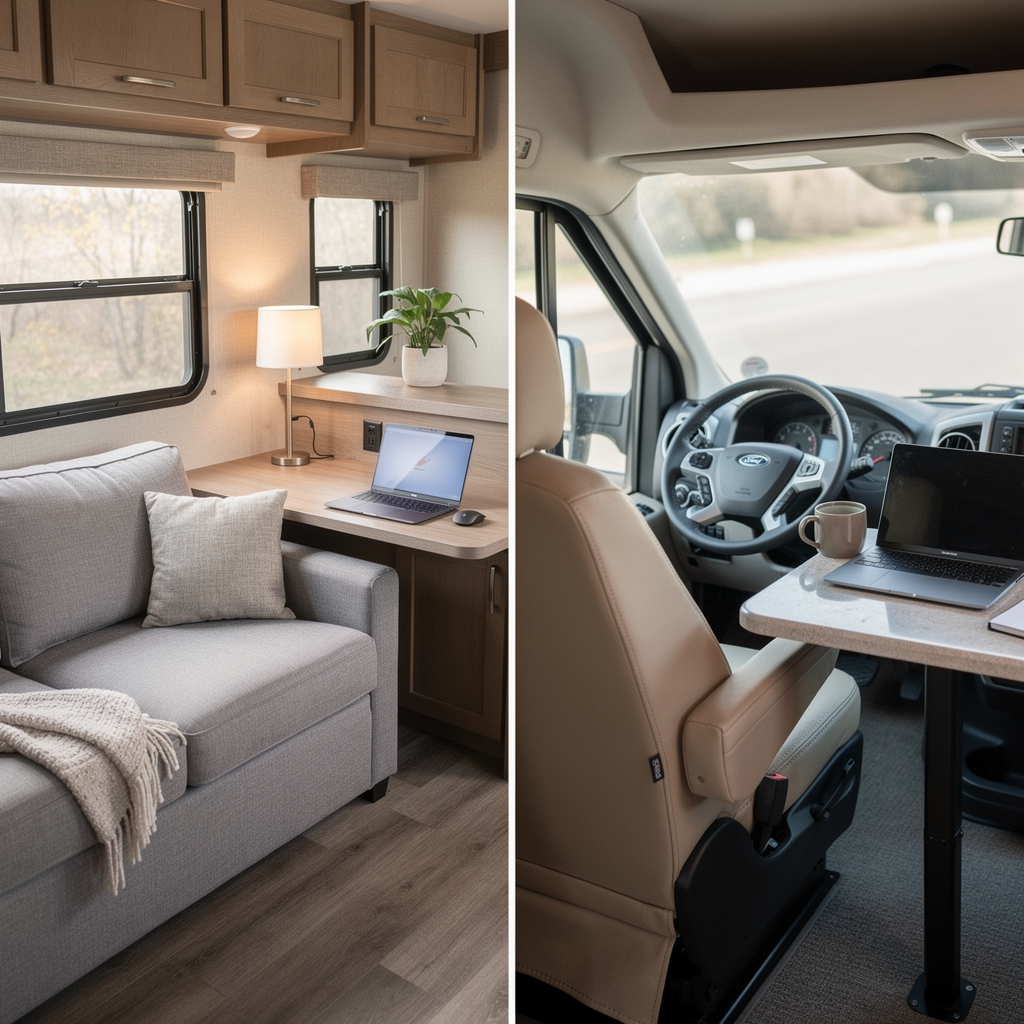
- RV insurance isn’t one-size-fits-all. Fifth-wheel (towable) and motorhome (auto-style) coverages reflect how you actually use the space — as a residence, a workspace, and a travel hub — not just how you travel. Aligning coverage with that daily life reduces surprising gaps after a claim.
- The 2025 market shift is real. Expect clearer, apples-to-apples comparisons between RV types and more RV-centric endorsements that treat your home-on-wheels as a true home, not a vehicle with extras.
- Endorsements matter as much as limits. Total Loss Replacement or Agreed Value, Replacement Cost Personal Effects, Vacation/Campsite Liability, Emergency Expenses, Full-time endorsements, and Storage/Garaging options are the protections that make coverage feel complete when you’re parked for months or living in your RV year-round.
- Practical shopping requires a type-aware approach. Fifth-wheel buyers should look for travel trailer/fifth-wheel policies with campsite liability and full-time options; motorhome owners should seek auto-style policies with RV add-ons that match the living space and on-road realities.
- Pricing is a byproduct of fit, not the sole aim. A policy that truly mirrors how you use your RV will save you more in peace of mind and fewer claim-day headaches than chasing the lowest quote.
- The trend toward lender-savvy and telematics-informed pricing is likely to grow. Expect more programs that factor your actual usage and storage patterns into costs over time.
Practical steps you can take now
1) Confirm your RV type and annual usage. Am I towing a fifth wheel or driving a motorhome? Is my life in the RV part-time or full-time?
2) Identify the core endorsements that align with your lifestyle (Total Loss Replacement or Agreed Value, Replacement Cost Personal Effects, Vacation/Campsite Liability, Emergency Expenses, and Storage/Garaging).
3) Gather apples-to-apples quotes from 2–3 providers. Request a side-by-side breakdown of liability, physical damage, and each endorsement so you can compare like with like.
4) If you have financing, check lender requirements and how they influence the need for full-time or higher-liability coverage.
5) Inquire about telematics or usage-based pricing options and how they could affect your RV policy in the coming years.
6) Consider storage or garaging implications. Ensure premiums and coverages reflect months when the RV isn’t in use.
Closing message
A home-on-wheels deserves a shield built for both the road and the campsite — not a generic auto policy with a few RV add-ons. By aligning your coverage with how you actually live in your RV, you reduce gaps, protect what matters inside, and face the road with greater confidence. If this resonated, start the conversation with your insurer or broker this week and gather a couple of apples-to-apples quotes to compare.
What would your next coverage tweak look like if you treated your RV as home as much as vehicle? Could your claim story be about a policy that finally mirrors your daily life on wheels, instead of just your miles per hour?
If you’d like, I can draft a concise, color-coded side-by-side comparison for 2025–2026, including estimated premium ranges and common endorsements for fifth-wheel vs motorhome. Until then, use this moment to move from price chasing to fit-focused protection, and chart your next step toward true home-on-wheels security.