The Rising Lightning – Bitcoin Layer-2’s Quiet Leap into Everyday Payments

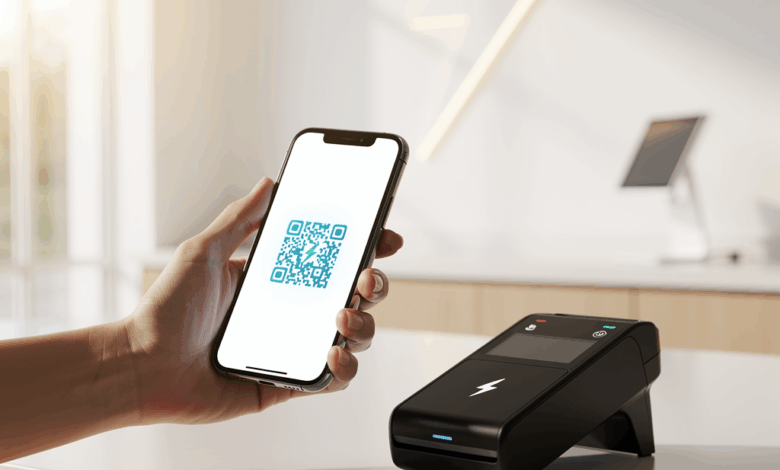
Can a tiny QR code replace the familiar card tap you’ve used for years? In 2025, that question is more than curiosity—it’s a real shift unfolding in storefronts and wallets around the world. The Lightning Network, once a niche experiment among crypto enthusiasts, is edging into mainstream retail, driven by large-scale merchant rollouts, consumer-facing use cases, and a broadened asset rail that goes beyond BTC alone.
But before we declare victory for Lightning, let’s slow down and trace what’s actually happening on the ground. Block (Square) began rolling out native Bitcoin payments on Square terminals using Lightning, with plans to scale to millions of eligible sellers by 2026 after a H2 2025 rollout. That isn’t a theoretical milestone. It’s a concrete push toward point-of-sale compatibility, near-instant settlement, and, for some configurations, optional real-time fiat conversions at the counter. For merchants, that mix of speed and simplicity is compelling enough to reimagine everyday checkout experiences. See the press release for details. squareup.com

Meanwhile, consumer-facing brands are testing Lightning at scale. Steak ’n Shake announced Lightning-based BTC payments across its U.S. locations (400+ outlets in initial coverage), signaling that mainstream retail can absorb volatile digital assets without disrupting the customer experience. This isn’t just hype; major outlets like Nasdaq and Bitcoin Magazine covered the rollout, underscoring real-world momentum. nasdaq.com
A parallel storyline is expanding the rails themselves. Stablecoins are finding a home on Bitcoin and Lightning via the Taproot Assets protocol. USDT is issued on Bitcoin and can move onto the Lightning side for faster, cheaper payments, opening a true cross-asset flow on chain-native rails. Add to that the emergence of USDT-L through wallets like Speed Wallet, and you have a broader ecosystem where multi-asset transactions can ride Lightning lanes. coindesk.com • speed.app
What’s enabling all these changes? A clear cadence of Lightning updates and a maturing network. Taproot Assets has evolved through v0.6 (June 2025) to v0.7 (December 2025), bringing larger, more reliable asset payments and multi-asset liquidity tooling that lets stablecoins and other tokens ride Lightning with greater confidence. On the core layer, LND’s v0.20-beta (December 3, 2025) strengthens performance and operational controls for higher-volume deployments. These technical strides aren’t esoteric—they’re the plumbing that makes everyday Lightning payments practical for vendors and consumers alike. lightning.engineering • lightning.engineering
And the liquidity picture is evolving too. Lightning Network capacity has reached new highs (around 5,600 BTC by year-end 2025), driven by exchanges and large routing hubs. Public node counts and channel counts, meanwhile, have cooled from peak years as the network shifts toward more efficient routing and custodial/enterprise liquidity strategies. The takeaway: capacity is growing, but not at the same pace as visible node counts, which matters for how merchants think about liquidity provisioning. cointelegraph.com
Is Lightning finally becoming everyday money? That’s the core tension today. On the consumer side, wallets are embracing Lightning as a fast, low-friction payment option. Several wallets offer USDT-L and other multi-asset flows on Lightning, hinting at a future where you don’t just pay with BTC but with a basket of assets that settle near-instantly. On the merchant side, the practical questions shift from “can this work?” to “how do I manage liquidity, volatility, and reconciliation at scale?” The answers are no longer speculative; they’re anchored in real pilot programs and enterprise-grade tooling.
If you’re a developer or a decision-maker, there’s a clear path to participation. Taproot Assets’ multi-asset features—especially the newer static addresses and auditable supply capabilities—provide a predictable foundation for issuances and consumer-facing wallets that need reliability at scale. Meanwhile, the ongoing core improvements in Lightning tooling and node software reduce the operational burden of running a network that can handle real-world volume. In practice, this means you can prototype a Lightning-based checkout, test multi-asset payments, and gradually expand liquidity sources without waiting for a distant sunrise. lightning.engineering • coindesk.com• squareup.com
So what should you do with this trend, right now? Start by mapping your stakeholders: merchants who could deploy Lightning-based checkout to reduce settlement latency, developers who can build with Taproot Assets and LND v0.20-era tooling, and customers who value speed and near-zero fees for microtransactions. Consider piloting a Lightning-enabled terminal, running a multi-asset Lightning wallet in parallel with traditional rails, and evaluating whether stablecoins on Lightning (like USDT-L) fit your risk and regulatory posture. The ecosystem already provides concrete examples, practical milestones, and credible paths to scale. nasdaq.com • speed.app
What comes next? The pace will hinge on liquidity strategies, regulatory clarity, and the continued refinement of multi-asset Lightning capabilities. If this trend continues, we could see Lightning become a default rails layer for everyday payments—across groceries, coffee, and beyond—where a shopper’s choice of asset is less important than the speed and certainty of settlement at checkout. As you look at your own business or wallet strategy, ask yourself: will your tools align with a future where Lightning is the backbone of daily exchange, or will you wait and watch the rails evolve without you?
What do you think the most impactful implication will be for your life or business as this multi-asset Lightning future unfolds? Will your next payment be BTC, USDT-L, or something else riding the same fast, low-cost rails?
Should a Tiny QR Replace the Card Tap?
I stood in line at a cafe, wallet buzzing with the usual digital cards, when the barista slid a small QR across the counter. It wasn’t a fancy festival of neon or a whispered tech prophecy; it was a plain square that could carry more value than a plastic card, if you trusted the network behind it. I scanned it, watched the payment frenzy of microseconds unfold, and thought: could this be the moment where everyday money finally learns to move on a different backbone—the Lightning Network, a Bitcoin Layer-2 that’s quietly shedding its niche label?
What happened next isn’t magic. It’s a real-world push toward a faster, cheaper, more flexible payments rails ecosystem. The Lightning Network, guided by multi-asset capabilities and enterprise-grade tooling, is moving from pilots to shelves, from curiosities to checkout routines. And it’s doing so in ways that touch traders, developers, and shoppers alike.
Grounding the moment why Lightning is entering the daily checkout
If you’ve been watching Bitcoin for a while, you know the promise of layer-2 networks: faster settlement, lower fees, and easier cross-border style microtransactions. The current momentum is less about speculative chatter and more about concrete rails, real merchants, and real wallets.
- A major catalyst is Square’s rollout of native Bitcoin payments on its POS terminals using Lightning, with a plan to scale to millions of sellers by 2026 after a H2 2025 rollout. This is not a lab demo—it’s a go-to-market program aimed at turning lightning-quick BTC settlement into a standard checkout option. See Block’s press release for details. squareup.com
- On the consumer side, big retail players are testing Lightning at scale. Steak ’n Shake began accepting BTC over Lightning across U.S. locations (initial coverage over 400 outlets), signaling mainstream adoption beyond crypto-gatherings. Coverage by Nasdaq and Bitcoin Magazine confirms the practical rollout. nasdaq.com
- Meanwhile, the rails themselves are widening. Taproot Assets is evolving into a multi-asset Lightning layer, enabling not just BTC but stablecoins and other assets to move over Lightning. The v0.6 release in June 2025 and the v0.7 release in December 2025 bring larger payments, reusable asset addresses, and liquidity tooling that extend Lightning beyond a BTC-only pipe. lightning.engineering
- Core Lightning tooling is improving too. LND v0.20-beta arrived in December 2025, boosting throughput and operational control for nodes and wallets at scale. The practical impact is a more resilient, developer-friendly platform for merchants and consumer wallets alike. lightning.engineering
- Capacity dynamics tell an honest story: Lightning capacity hit records around 5,600 BTC by year-end 2025, driven by exchanges and large liquidity hubs. Public node and channel counts don’t mirror this capacity due to consolidation and a shift toward more efficient, possibly custodial routing. This nuance matters for developers planning liquidity strategies. cointelegraph.com
What’s moving on the rails, exactly?
- Multi-asset, real-world asset flows: Taproot Assets enables minting and transferring assets—starting with USDT on Bitcoin and Lightning—creating real cross-asset movement on a Bitcoin-native rails. This means you could see stablecoins and other tokens riding the same Lightning path for micro-transactions and real-time settlement. coindesk.com • Speed Wallet and others are rolling out USDT on Lightning (USDT-L), signaling broader, currency-agnostic payments on the network. speed.app
- Real-world adoption signals: Merchants are testing the full-stack flow—from customer wallet to merchant settlement—using Lightning at the POS, with optional fiat conversion at the counter. This is a practical bridge between crypto familiarity and everyday cash flows. squareup.com
- The tooling tailwinds: Taproot Assets v0.6 and v0.7 bring larger payments, improved reliability for asset transfers, and interoperable liquidity workflows. This isn’t just “more features”—it’s essential infrastructure for a multi-asset Lightning ecosystem. lightning.engineering • The December 2025 updates to Taproot Assets v0.7 include static, reusable addresses and auditable supply commitments that lend predictability to asset issuance on Lightning. lightning.engineering
- What this means for users: For shoppers, Lightning payments can feel like instant, low-fee transactions, whether you’re buying coffee or groceries. And for developers and merchants, the combination of higher-throughput nodes, multi-asset rails, and improved liquidity routing reduces the friction that once kept Lightning as a curiosity.
Why this matters for different players
- For merchants: The appeal is speed at checkout and minimized settlement risk. Square’s plan to scale to millions of sellers suggests a future where a card tap could be replaced by a QR-to-POS workflow, with BTC or fiat settlements settled near-instantly. The practical takeaway is to explore liquidity strategies and consider how Lightning-based checkout could fit into current POS ecosystems—especially with optional real-time fiat conversions where appropriate. squareup.com
- For wallets and developers: Taproot Assets’ improvements unlock multi-asset flows, while LND’s performance gains reduce operational risk for high-volume deployments. If you’re building on Lightning, you can prototype Lightning-based checkouts, support USDT-L, and design with static addresses and auditable supply in mind. lightning.engineering • lightning.engineering
- For consumers: The UX shift is real. A Lightning wallet can deliver fast, low-cost payments even for everyday items, and stablecoins on Lightning offer a potential hedge against BTC volatility in small transactions. Major wallets are piloting USDT-L and other assets that ride Lightning with the same speed you expect from card networks. coindesk.com • speed.app
Practical guidance turning trends into action
If you’re a blogger, merchant, or developer, here are concrete pathways to engage with this trend now:
- For bloggers and educators:
- Frame Lightning as a real-world payments layer by spotlighting Square’s rollout, Steak ’n Shake’s nationwide BTC payments, and USDT-L experiments. Ground claims with milestones and dates (e.g., Square’s H2 2025–2026 rollout timeline). squareup.com • nasdaq.com
- Explain asset-rail evolution: describe Taproot Assets v0.6 and v0.7 and why they matter for everyday payments—multi-asset liquidity, reusable addresses, and auditable supply. lightning.engineering • lightning.engineering
- Cover liquidity nuance: discuss why capacity can rise while public node counts stay modest, emphasizing that enterprise routing and custodial liquidity matter for merchants. cointelegraph.com
- For merchants considering Lightning:
- Begin with an assessment of Square-like models: what would an integrated Lightning-based checkout look like at your locations? Plan for liquidity needs and consider whether real-time fiat conversion is desirable for customers. squareup.com
- Explore USDT-L rails to hedge microtransaction pricing and streamline cross-border flows with near-instant settlement. coindesk.com • speed.app
- For end users and wallet shoppers:
- Start with a Lightning wallet that supports multi-asset flows. Options like Breez, Muun, or Wallet-of-Satoshi are evolving with better liquidity and easier onboarding. Breez, in particular, is advancing Lightning-enabled experiences and SDKs for smoother checks out. newsletter.breez.technology
- Look for currency-agnostic payments in wallets as Taproot Assets expands. USDT-L and other assets riding Lightning could become commonplace in merchant apps. lightning.engineering
- For developers and entrepreneurs:
- Build with Taproot Assets v0.7 features: static addresses, auditable supply, and Multi-RFQ Send to support scalable multi-asset payments. Read the official release notes and API docs for guidance. lightning.engineering
- Leverage LND v0.20-beta and related tooling to handle higher transaction throughput and more robust routing in production apps. lightning.engineering
- Security and risk management:
- Keep liquidity diverse: the shift toward enterprise routing means you’ll want a plan that blends public and private channels to reduce single points of failure. cointelegraph.com
- Stay ahead of regulation in stablecoins like USDT-L. Regulatory clarity can reshape timelines and custody requirements, so maintain compliance posture as the rails evolve. reuters.com
A thought to carry forward
The question isn’t merely about whether Lightning can process more payments; it’s whether everyday transactions can feel as effortless as a QR at a coffee shop but with a wider set of asset options. The trend is clear, but the outcome depends on liquidity strategies, regulatory clarity, and the continued refinement of multi-asset Lightning capabilities. If the rails truly scale, Lightning could become the default backbone for small, rapid payments across groceries, convenience, and services—where the asset you choose matters less than the speed and certainty of settlement.
So I’ll ask you again, not as a verdict but as a prompt: what will your next payment be when you scan a tiny QR and the cashier asks, “BTC, USDT-L, or something else riding the same fast lanes?” Will you accept the new normal, or will you wait for a sunset you never see? What is your next smarter move in a world where the Lightning Network wants to carry the next dollar, euro, or peso—in a blink, at almost no cost, and with multi-asset possibilities that simply didn’t exist a few years ago?
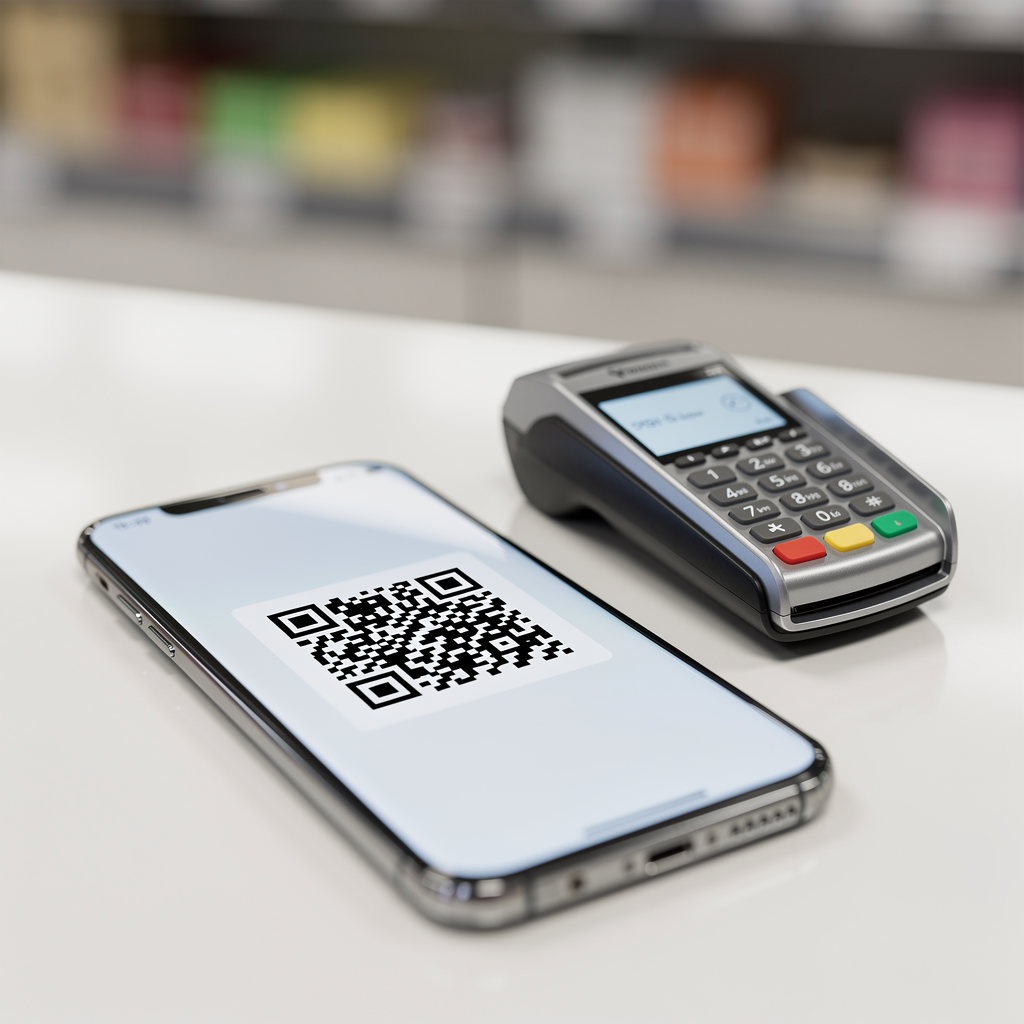
Could a Tiny QR Replace the Card Tap? The Lightning Network’s Quiet Rise to Everyday Money
In 2025, a small square can carry more commerce magic than a plastic card ever did. The Lightning Network, once a niche curiosity, is moving from pilot projects into real-world retail, enabling near-instant settlements and multi-asset flows that reach everyday wallets. Square is rolling out native Bitcoin payments on its POS, Steak ’n Shake is testing BTC payments across hundreds of outlets, and stablecoins are finding a home on Lightning via Taproot Assets. What looks like a clever payment gadget is shaping up to be a new checkout backbone—not for the rare crypto enthusiast, but for the shopper grabbing a coffee or buying groceries.
Key Summary and Implications
The core shift isn’t just “more BTC on Lightning.” It’s the onboarding of multi-asset capabilities, higher throughput, and liquidity tooling that make Lightning capable of handling everyday volumes with acceptable risk. The practical upshot is a checkout experience where the difference between paying with BTC, USDT-L, or another asset matters less than the speed, cost, and reliability of the settlement. Merchants get near-instant settlement and the option to offer real-time fiat conversion at the counter, while consumers gain faster, cheaper payments and the freedom to choose how they settle.
A deeper implication is that the rails themselves are becoming the product. Taproot Assets moves assets across Lightning—from BTC to stablecoins—creating a cross-asset payment fabric that can travel from a wallet to a merchant terminal with auditable supply and static receive addresses. On the core layer, improvements in LND and related tooling reduce operational risk for high-volume deployments, turning what used to be a hobbyist network into enterprise-ready infrastructure. Capacity has climbed to new highs (measured in BTC, not just node counts), signaling healthy liquidity and growing confidence among exchanges and routing hubs. The result is not hype, but a tangible pathway toward a ubiquitous, QR-to-POS style checkout layer.
This trend also raises important questions about liquidity management, regulatory clarity for stablecoins, and the user experience. If the goal is everyday payments, the friction can shift from “can it work?” to “how do we manage risk, reconcile sums, and keep the UX frictionless for millions of daily transactions?” The reader might wonder: Will multi-asset Lightning truly become the default rails, or will we drift through transitional phases where some merchants run parallel systems?
Action Plans
- For merchants and retailers
- Pilot a Lightning-enabled checkout in a single location—start with a QR-based flow that mirrors current card-present experiences but uses Lightning for settlement.
- Map liquidity sources: combine on-ramps with custodial liquidity partners and explore USDT-L rails to hedge microtransaction pricing and cross-border flows.
- Plan for real-time fiat options where customer experience benefits are clear, and regulatory posture allows it.
- For wallets and developers
- Build with Taproot Assets v0.7 features: static, reusable addresses and auditable supply to support scalable, consumer-facing issuances.
- Test multi-asset flows alongside BTC, focusing on user onboarding, custodial risk, and seamless liquidity routing.
- Leverage LND v0.20-era tooling to handle higher throughput and reliability in production checkout experiences.
- For researchers and strategists
- Track liquidity dynamics beyond node counts: watch how custodial routing and enterprise liquidity strategies influence merchant adoption.
- Monitor regulatory developments around stablecoins like USDT-L and their custody requirements, adjusting rollout timelines accordingly.
- For consumers
- Try a Lightning wallet that supports multi-asset flows (USDT-L and others) and compare the speed and reliability against traditional card payments.
- Stay curious about asset options at checkout, but prioritize ease of use and security in onboarding.
Closing Message
The convergence of real-world pilots, multi-asset rails, and improved tooling suggests a future where a tiny QR could become the default shortcut to value exchange at the speed of present-day apps. Lightning’s promise isn’t merely faster payments—it’s a reimagined ecosystem where choice of asset matters less than how quickly and reliably money moves from shopper to merchant. Yet the outcome isn’t guaranteed; it will hinge on liquidity strategies, regulatory clarity, and the craft of product UX that makes the experience feel almost magical rather than engineered.
What will your next payment be when you scan a square and the cashier asks, “BTC, USDT-L, or something else riding the same fast lanes?” Will you embrace the new normal, or wait for a sunset you may never see? Consider not just whether this trend will succeed, but how you’ll participate, adapt, and perhaps help shape its practical, everyday reality.