The Rising Ledger – Blockchain Provenance for Physical Coins and the Future of Collector Trust

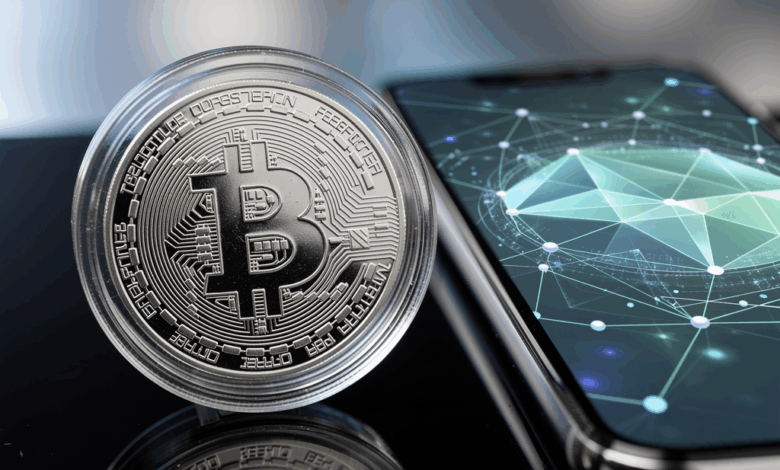
What if a coin could tell its own story with a tap on your phone?
It sounds like a scene from a cyberpunk collection, but the trend is increasingly tangible in 2025: physical coins connected to immutable records, where provenance travels from the mint to the wallet in a way that collectors can verify with a glance. The core shift is not that a coin has become digital, but that the story of a coin—its origin, its custody, and its journey through markets—can be traced, verified, and audited in parallel with the physical object. For numismatics professionals, dealers, and loyal collectors, this is less about novelty and more about a new axis of trust that sits at the intersection of craftsmanship, technology, and market dynamics.


From the market floor to the smartphone screen, several threads are converging: tamper-evident identifiers on the coin or its holder, on-chain certificates of authenticity, and systems that bridge the physical item to a digital ledger. In practical terms, you might encounter NFC-enabled holders that link a coin’s physical identity to an on-chain record, allowing instant verification via mobile devices. This approach is already visible with players like Provenance Verified, which embeds NFC + blockchain-based COAs in collectibles, and PCGS, which has begun offering NFC-enabled holders for coins and notes to enable quick verifications at the point of sale or resale. These developments aren’t just gimmicks; they are increasingly accepted as part of a broader trust infrastructure in numismatics. (provenanceverified.com; pcgs.com)
Two other forces amplify this shift. First, major national and mint-level programs are experimenting with provenance-enabled authenticity features that are visible on the coin itself, not just in a separate certificate. The Royal Mint’s upcoming Sovereign bullion release for 2026 is noted for introducing advanced security features designed for instant in-situ authentication, signaling a push toward coins that visually and digitally authenticate their journey. While the object remains physical gold, the on-coin design and accompanying provenance data work together to offer a more transparent story about origin and handling. (royalmint.com)
Second, national tokenization experiments reveal how digital records can synchronize with physical artifacts. Lithuania’s LBCOIN project, which links six digital tokens to a physical silver coin, demonstrates a practical model of digital-to-physical provenance—a public-sector example of how on-chain histories and physical ownership can be co-owned and redeemed. This kind of governance-enabled bridge between digital tokens and tangible collectibles is no longer theoretical. (lb.lt)
What does all of this mean for collectors and the marketplace? A few core benefits are becoming clearer:
- Enhanced trust at the point of sale: you can scan or tap to verify the coin’s COA and ownership trail, reducing counterfeit risk and simplifying resale narratives. The experience is designed to be seamless for buyers and sellers alike. (provenanceverified.com; pcgs.com)
- On-the-go verification: a mobile-friendly, transparent provenance trail can empower collectors who shop across platforms and auctions, enabling faster, more reliable assessments of value and authenticity.
- Potentially new value in resale: some provenance-enabled platforms point to revenue-sharing or creator/issuer incentives on secondary-market transactions, adding a dynamic layer to how coins circulate in the market. (provenanceverified.com)
- A clearer distinction between authenticity and provenance: blockchain provenance strengthens the storytelling around a coin’s history, but it does not replace the physical authentication of the coin itself. This nuance remains crucial for education and practice in the field. (djrauthentication.com)
From a practitioner’s perspective, the ecosystem is evolving toward a more interoperable, governance-friendly framework for provenance. Real-world asset tokenization and asset-lifecycle tooling emphasize how coins can be represented, transferred, and governed as digital assets while maintaining a robust link to their physical counterparts. The provenance community is moving toward scalable models where on-chain history, issuer rules, and custody pathways co-exist with the tangible, tactile appeal of coinage. (developer.provenance.io)
Yet the horizon isn’t without caveats. It’s essential to separate the verification of the record from the verification of the object. Digital provenance enhances a credible narrative of origin and chain-of-custody but does not by itself certify the physical coin’s metallurgical grade, minting quality, or surface integrity. This distinction is routinely highlighted by practitioners and regulators as the ecosystem matures. For context, industry commentary and market regulation discourse remain active as digital assets, NFTs, and phygital collectibles increasingly intersect with traditional numismatics. (reuters.com)
So, where does this trend leave us as collectors, dealers, and curators of coin history? The answer isn’t a single verdict but a shifting boundary in which the coin’s physical beauty meets a transparent, auditable journey. The trend is not merely about embedding data; it’s about designing experiences where provenance becomes a usable, trusted companion to the coin’s value and story.
From an ecosystem perspective, we should watch three movements closely: the expansion of secure, in-holder or in-coin authentication features; the growth of national and private sector pilots that demonstrate end-to-end provenance; and the maturation of tokenization frameworks that treat provenance data as a portable, transferable asset. These ingredients together will shape how you evaluate a coin tomorrow—whether you’re appraising a rare issue at auction, handling inventory in a shop, or simply deciding which pieces deserve a place in your collection’s narrative.
What will you trust most: a visually secure coin that invites immediate on-site verification, a trusted digital certificate that travels with the piece, or a hybrid that makes the story accessible anytime, anywhere? As collectors, dealers, and institutions experiment with these systems, we’re not just buying coins—we’re choosing which histories we want to remember and share. If you could curate a provenance journey for your own collection, what would you prioritize: on-coin security, on-chain transparency, or a balance of both? The ledger is awakening a deeper question: who should own the story of a coin—and how should that story endure across generations?
Should a Coin Have a Passport? The Quiet Revolution of Blockchain Provenance for Physical Coins
I remember the first coin I bought with my own allowance, a small silver issue from a local mint. It gleamed in the case, but what I carried home wasn’t just metal and mint marks—it was a short, almost invisible story: a chain of hands that touched it, a set of promises about its authenticity and care. Years later, when I learned to tap my phone against an NFC-enabled holder and watch a history unfurl on screen, that memory shifted. The coin wasn’t merely something you hold; it had a passport, of sorts, stamped onto a ledger that could be read aloud by a phone and trusted by a community I hadn’t yet met. This is not a gadget fantasy. It’s a practical, observable shift in how collectors talk about value, trust, and provenance.
In the world of numismatics, where a coin’s charm is inseparable from its journey through time, blockchain provenance for physical coins is becoming less an abstract idea and more a visible practice. The core promise is simple: connect the tangible, tactile object to a tamper-evident digital record that captures origin, custody, and ownership in a way that’s verifiable anywhere, anytime. The result is a more transparent resale narrative, a sharper defense against counterfeit claims, and a platform where stories can travel as quickly as the coins themselves. But the value of this trend isn’t only in the technology. It’s in how collectors, dealers, and institutions begin to think about trust as an ecosystem rather than an artifact.
When the Coin Speaks Through a Link
What does it mean for a physical coin to be linked to a digital certificate of authenticity? Imagine a coin sealed in a holder with a tiny chip or a serialized, tamper-evident mark. A smartphone scan or tap can pull up a persistent history—origin at mint, transfer of custody, verifications along the way—anchored to a blockchain. This is not about making the coin digital; it’s about making its story accessible, auditable, and portable.
Two developments illustrate the practical shape of this shift:
-
NFC-enabled COAs in holders: A growing cohort of leading institutions is embedding secure links in holders that connect the physical item to an on-chain record. The experience for buyers is streamlined: tap the device, see the cert data, and verify the lineage of ownership. This approach is already visible in the market with offerings from Provenance Verified and PCGS, which has begun to deploy NFC-enabled holders for coins and notes to facilitate instant verification in the field. These are not gimmicks—they are the first steps toward a trusted, mobile-friendly provenance layer that travels with the coin. Provenance Verified: Proving Provenance with NFC + Blockchain COAs; PCGS Security: NFC-enabled holders and cert verification
-
On-coin security features that enable instant authentication: National and mint-level pilots are integrating visible security features directly on the coin to support on-spot verification, bridging the physical and digital provenance story. The Royal Mint’s 2026 Sovereign bullion release, for example, introduces multiple on-coin features designed for rapid authentication, signaling a broader industry push toward coins whose physical design and on-chain record reinforce one another. This complements the growing appetite for transparent, auditable provenance in the coin world. The Royal Mint press release on advanced security features
These strands show a practical pattern: the coin is still physical, but its journey—the provenance—now travels with it, verified by device, and anchored on a public or trusted blockchain.
National, Private, and Global Pathways
The range of experiments and deployments matters because it reveals different flavors of provenance without changing what a coin fundamentally is: a crafted object whose value is inseparable from its history.
-
National pilots and government-backed models: Lithuania’s LBCOIN is the most explicit demonstration of a digital-to-physical provenance bridge. It pairs six digital tokens with a physical silver collector coin; collectors can redeem the physical item by collecting tokens across six categories, a workflow that makes the provenance a matter of record from digital to tangible asset. This project illustrates a practical, end-to-end approach to tokenized provenance in a national program. Lithuanian Central Bank: LBCOIN digital collector coin
-
Mint-level innovation: The Royal Mint’s Sovereign release for 2026 embodies an industry-wide push toward coins that carry verifiable security features in the design and in their associated provenance data. The emphasis is on instant, in-situ authentication that complements on-chain records, creating a dual-layer trust: visible on the coin, verifiable in the ledger. Royal Mint press coverage
-
Market infrastructure and tokenization: Provenance Blockchain’s documentation highlights asset markers and life cycles for real-world assets, including coins, to encode ownership rights, transfer rules, and governance. This framework envisions a future where coin collections can be represented as digital assets with on-chain provenance that interoperates across markets. Provenance Blockchain: Asset lifecycle and markers
-
Cross-domain templates: The provenance narrative in jewelry and gemstones demonstrates how tamper-evident identifiers linked to immutable on-chain proof can be translated to coins. The same principles—traceability, tamper-resistance, and user-friendly verification—form the backbone of credible provenance ecosystems. Provenance Proof: Provenance in Gemology and Jewelry
These pathways together point to a broader ecosystem in which physical coins are part of a digital network of authenticity, custody, and transfer that can be audited and trusted across markets.
What Collectors Gain, and What to Watch For
From the collector’s desk, blockchain provenance for physical coins promises tangible benefits:
-
Enhanced trust at the point of sale: A quick tap or scan can reveal a verifiable provenance trail, reducing counterfeit risk and strengthening resale narratives. The practical effect is a smoother negotiation with confidence about origin, custody, and transfer history. Provenance Verified and PCGS examples; PCGS security overview
-
On-the-go verification: The era of paper certificates and long provenance chains is transitioning to mobile-friendly verification that travels with the item, enabling buyers and sellers to access verifiable history across platforms and auctions.
-
Potential new value in resale: Some provenance-enabled ecosystems indicate possible revenue-sharing or issuer incentives on secondary-market transactions. This adds a dynamic layer to how coins circulate and how provenance data might influence value. Provenance Verified perspectives
But there are important caveats. The provenance record does not authenticate the physical object’s metallurgy, minting quality, or surface condition. It authenticates the documentation and chain of custody. This distinction is frequently emphasized by practitioners and regulators as the ecosystem matures. DJR guidance on blockchain provenance and physical assets
In short, provenance is becoming a new axis of trust—one that runs alongside the coin’s aesthetics, composition, and craftsmanship.
The Practical Toolkit What to Highlight in Your Blog or Exhibition
If you’re writing about this topic for collectors, dealers, or enthusiasts, here are practical angles and how to frame them credibly:
-
Distinguish between verification of the physical coin and verification of the provenance records. Use real-world cases (LBCOIN, Royal Mint, PCGS NFC) to illustrate the distinction and read widely about the interplay between on-chain data and physical authenticity. Lithuanian Central Bank project; Royal Mint security features; PCGS NFC; royalmint.com security features; pcgs security
-
Use concrete examples to illustrate the concept. Tell the reader about LBCOIN’s six digital tokens, the Royal Mint’s advanced in-coin features, and the practical NFC verification experiences offered by Provenance Verified and PCGS. Provide direct citations to official communications when you can. LBCOIN details; Royal Mint; NFC-based COAs; royalmint.com; provenance platforms; provenanceverified.com; pcgs security; pcgs security
-
Discuss the larger ecosystem around provenance platforms and real-world asset tokenization. Explain how digital representations of ownership, transfer rights, and governance can coexist with physical coins, enabling new forms of interoperability and market efficiency. Provenance Blockchain asset lifecycle
-
Emphasize the educational distinction: blockchain provenance strengthens the narrative about a coin’s history, but it does not substitute for physical authentication. This nuance helps readers avoid overestimating what a digital record can certify. DJR guidance on limitations
-
End with a forward-looking question that invites personal reflection or a professional stance. For instance: In a world where a coin’s story can be accessed by anyone with a tap or scan, what balance would you choose between on-coin security and on-chain transparency? Which aspects of provenance would you prioritize if you could curate a collection’s digital-to-physical journey?
A Thoughtful Concluding Pause
The trend is not about replacing the coin’s aura with a ledger. It’s about inviting the coin’s origin into the same room where its shine and weight are appreciated, so the story behind the art—the hand of the mint, the path through custody, the moment of purchase—can be read by more people, with more confidence, across more places. The ledger awakens a deeper question for collectors, dealers, and curators: who should own the story of a coin—and how should that story endure across generations?
As the landscape evolves, three movements deserve close attention: (1) the expansion of secure, in-holder or in-coin authentication features that marry physical design with digital proof; (2) the scaling of national and private provenance pilots that demonstrate end-to-end, auditable journeys from mint to wallet; and (3) the maturation of tokenization and real-world asset frameworks that treat provenance data as portable, transferable assets with governance-rights attached.
What will you trust most: a coin that carries a visible stamp of security, a digital certificate that travels with the piece, or a hybrid that makes its history accessible wherever you are? If you could design a provenance journey for your collection, what would you prioritize: on-coin security, on-chain transparency, or a balance of both? The conversation is only beginning, and the market is listening—and learning—to the stories coins tell when they finally speak to us through the devices we carry.
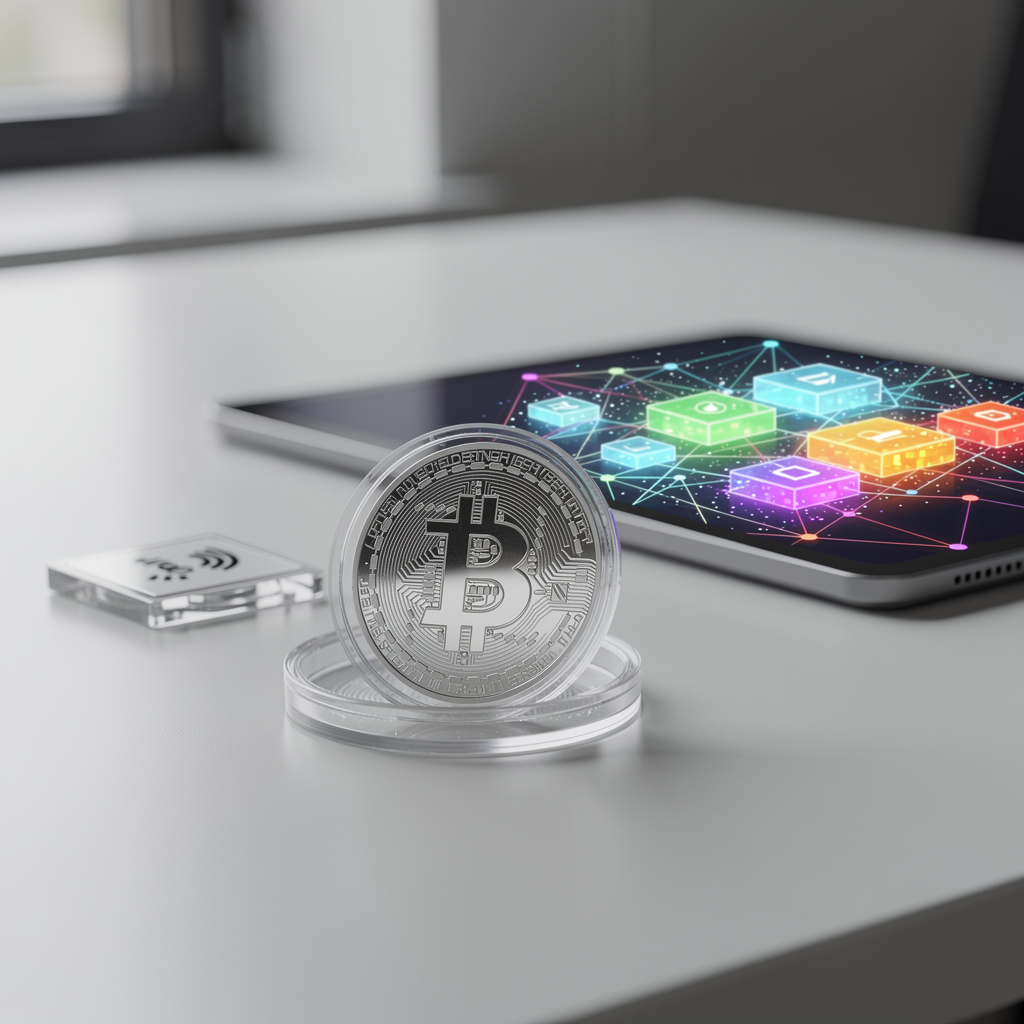
Should a Coin Have a Passport? The Quiet Revolution of Blockchain Provenance for Physical Coins
I remember the first time a coin whispered its story to my phone. Not in a magical way, but in a practical, almost intimate moment: a tap, a scan, and suddenly origin, custody, and transfer lay open like a map on the screen. The coin remained physical and beautiful, but its journey could travel with it—auditable, portable, and shareable. This is the quiet revolution in numismatics: provenance that travels with the coin without turning it into a digitized simulacrum of itself.
What this trend means for collectors and dealers
- Blockchain-backed provenance is becoming a usable layer of trust that sits alongside the coin’s artistry and metallurgy. It’s not about replacing expert authentication on the metal; it’s about making the story transparent and verifiable at a glance. Examples include NFC-enabled COAs and on-coin or on-hold features that let buyers verify lineage during a sale or in a showroom. You’ll hear about projects like Provenance Verified and NFC-enabled COAs from reputable grading and authentication houses, which aim to streamline verification for buyers and sellers alike. (Provenance Verified; PCGS)
- National and mint-level pilots are pushing the idea further: the Royal Mint’s 2026 Sovereign bullion release focuses on visible, in-design security features that support instant, in-situ authentication, paired with an on-chain record. And Lithuania’s LBCOIN demonstrates a practical bridge between digital tokens and a physical coin, anchoring on-chain history to a real-world object. These aren’t novelty features; they represent a shift toward a broader, interoperable provenance infrastructure. (Royal Mint; Lithuanian Central Bank – LBCOIN)
- The ecosystem is evolving toward governance-enabled, cross-market frameworks where provenance data becomes a portable asset in its own right. Real-world asset tokenization and asset-lifecycle tooling hint at a future where ownership, transfer rights, and custody rules can travel with a coin across platforms and markets. (Provenance Blockchain; general industry discourse on real-world assets)
- The core caveat remains crucial: a provenance record can verify the narrative of origin and custody, but it does not by itself certify physical attributes like metallurgy, minting quality, or surface condition. This distinction is essential for education and practice in the field. (DJR Authentication guidance)
Actionable steps you can take now
- Start with a test set: acquire a few pieces with NFC-enabled verification or secure-on-chain COAs and compare the experience across platforms. Note how quickly you can confirm origin, ownership, and transfer history during a resale or valuation discussion.
- Separate verification layers in your workflow: document the physical authentication process (grading, metallurgy, strike quality) separately from the digital provenance trail. Use the on-chain record to tell the coin’s story, but let experts audit the object’s physical attributes in parallel.
- Educate buyers and colleagues: when presenting a piece, show both the tangible craft and the provenance narrative. Demonstrate how the on-chain data enhances trust without replacing traditional authentication.
- Explore interoperability options: evaluate which provenance platforms best fit your inventory and markets. Look for open standards, governance arrangements, and the ability to migrate or share provenance data across auctions, dealers, and private collections.
- Consider curatorial use in exhibits: design displays that pair the coin’s physical presence with a tap-to-verify experience, inviting visitors to engage with the story behind the object in a modern, approachable way.
What collectors gain, and what to watch for
- Enhanced trust at the point of sale and in resale dialogues: a quick scan can confirm lineage, ownership, and custody steps, reducing counterfeit concerns and supporting more confident negotiations. (Provenance Verified; PCGS)
- On-the-go verification expands shopping horizons: provenance data travels with the coin, enabling cross-platform confidence for buyers and sellers. (Provenance Verified)
- Potential new value drivers in resale: some provenance ecosystems imply incentives or revenue-sharing tied to secondary-market activity, adding strategic considerations for collection strategy. (Provenance ecosystem discussions)
- Always distinguish authenticity from provenance: a credible record strengthens narrative and custody history but does not substitute for independent physical authentication. (DJR Authentication guidance)
Looking ahead a balanced, practical outlook
The trend is not about erasing the coin’s physical aura with a ledger, but about inviting its origin into the same room where its weight and shine are appreciated. We should expect three shaping movements to unfold:
– More secure, in-holder or in-coin authentication features that merge design and digital proof, enabling faster, in-person verification.
– Expanded pilots—governmental and private—that demonstrate end-to-end provenance from mint to wallet, under clear governance rules.
– Mature tokenization and real-world asset frameworks that treat provenance data as portable, transferable assets with governance rights attached, facilitating interoperability across markets.
What will you trust most when a coin speaks through a link or a scan? A coin that carries a visible mark of security, a digital certificate that follows the piece, or a thoughtful blend of both? If you could curate a provenance journey for your collection, what would you prioritize: on-coin security, on-chain transparency, or a balanced hybrid?
Closing reflection
I’m reminded that the coin’s story is not drawn in ink on paper but etched in the hands that held it, the shops that sold it, and the ledgers that now travel with it. The ledger’s awakening invites us to consider a deeper question: who owns the story of a coin—and how should that story endure across generations? As the landscape evolves, the most meaningful progress may be measured not by the novelty of the technology, but by how it strengthens trust, educates collectors, and expands opportunities for responsible stewardship.
If this sparked a thought about your own collection, what will you do first to test the balance between on-coin security and on-chain transparency? What story do you want your coins to tell, and to whom?